There is a question I have started asking charity directors when I meet them. I ask it because the answer tells me more about an organisation than any annual report.
The question is this: can you show me a completed project from last Ramadan?
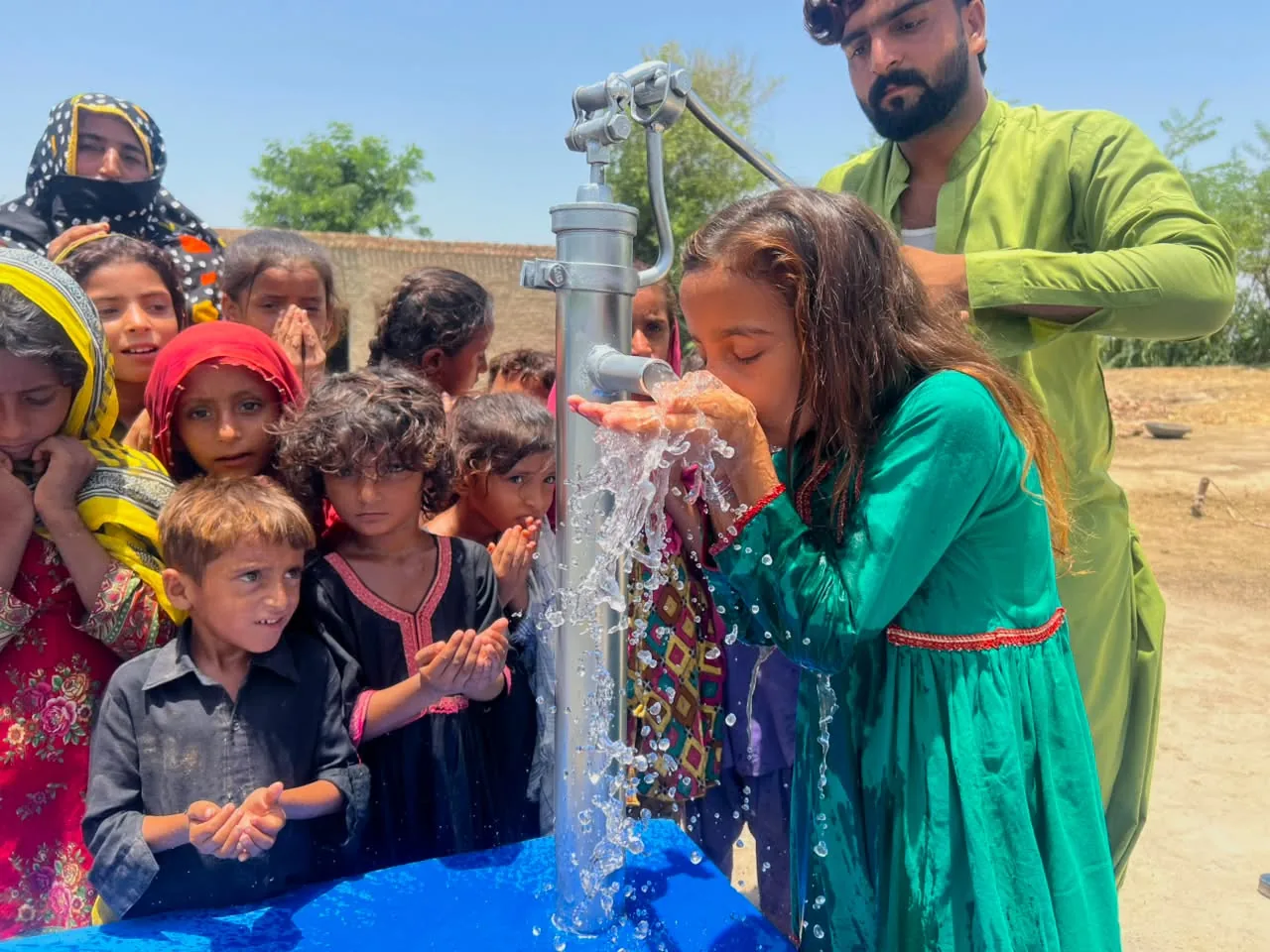
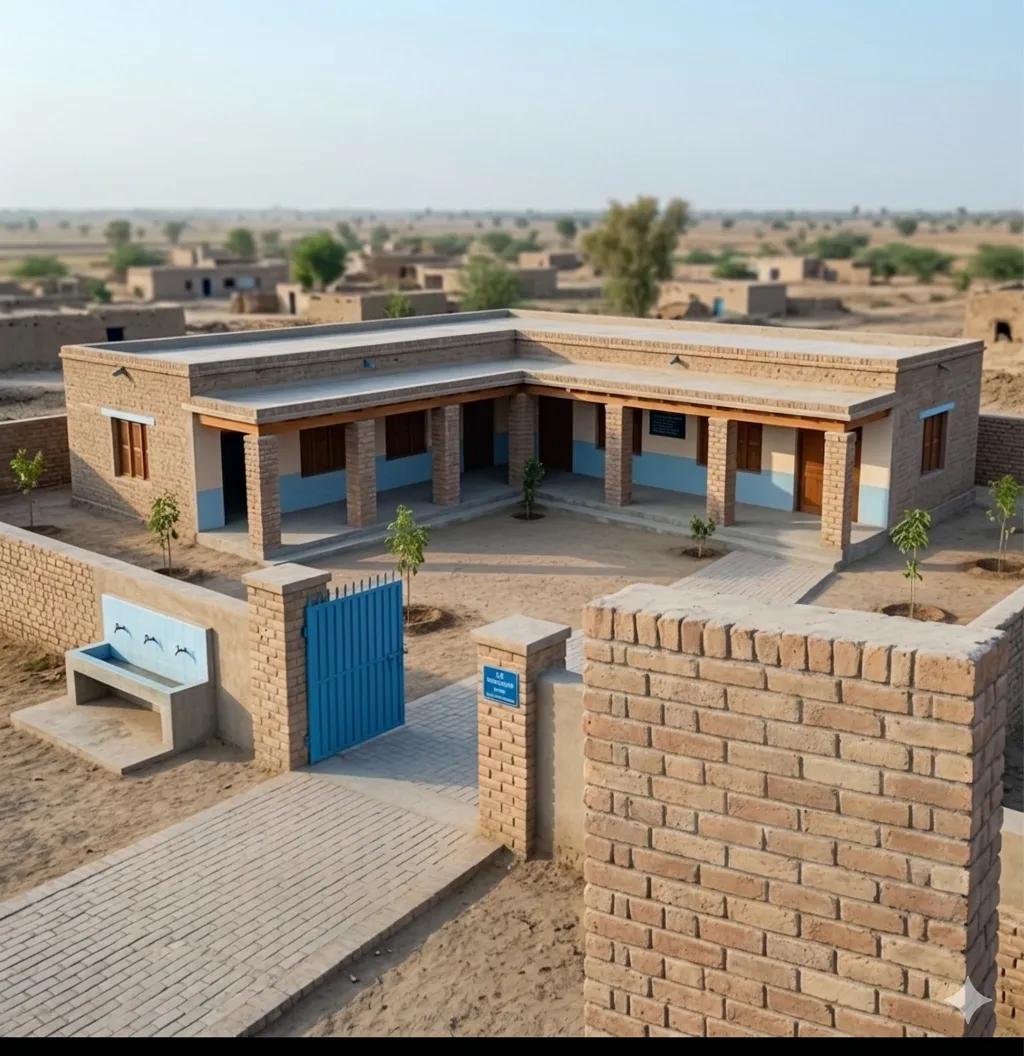
A completed project - something that was promised, built, verified, and closed. A well. A school. A medical facility. Something a family is using today that did not exist before last Ramadan.
Most cannot. Some will not answer at all. A few will show me something, and when I look closely, it was committed two or three Ramadans ago and is still, in some important sense, ongoing.
I have been working in Islamic fundraising for twenty years. And the longer we refuse to name what is happening here, the more damage it does - to donors, to beneficiaries, and to the credibility of the sector as a whole.
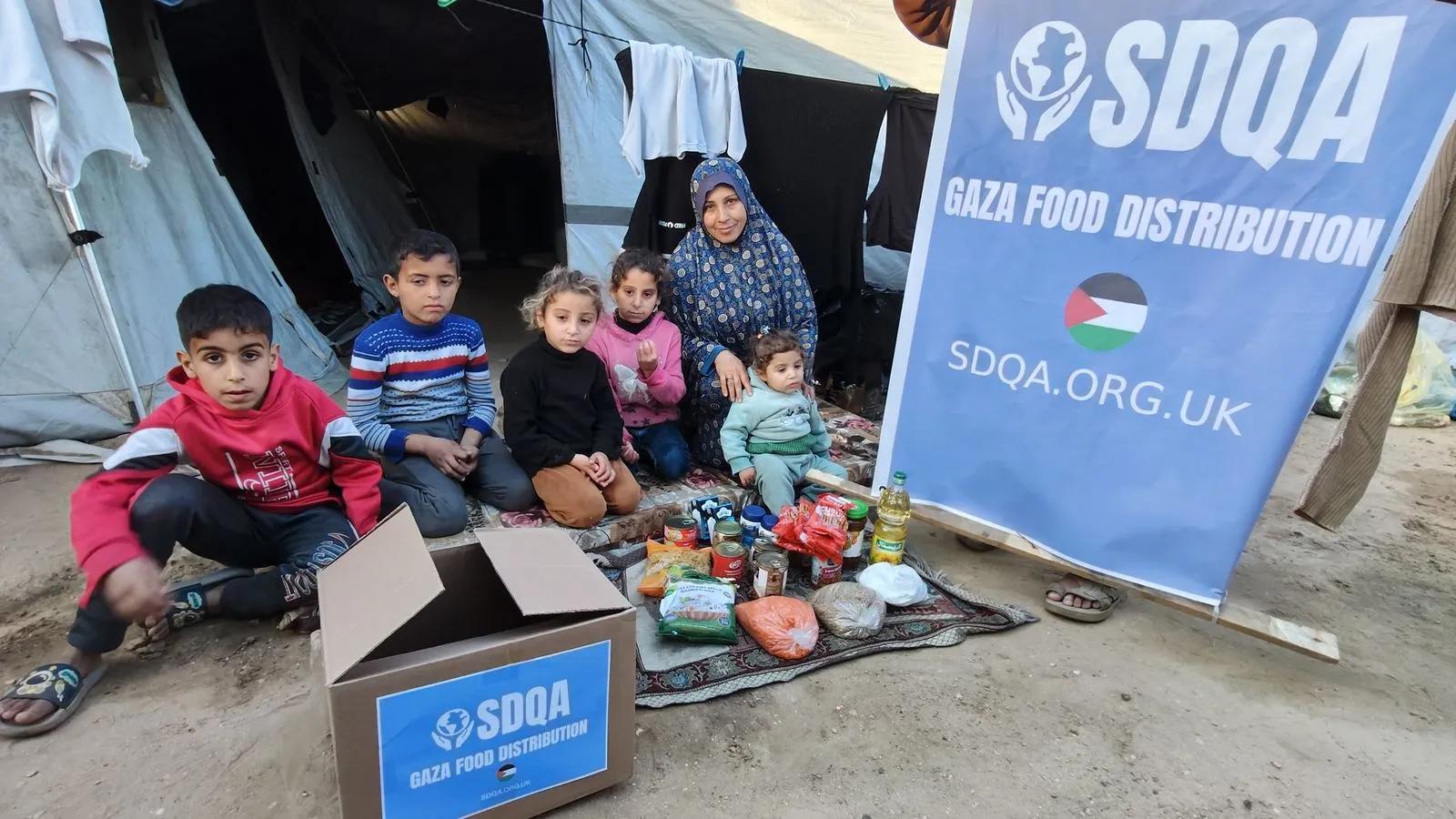
UK Muslims are among the most generous communities in the world by any measure. In Ramadan alone, the sector raises hundreds of millions of pounds annually. Food banks, water projects, refugee support, orphan care, education programmes, emergency medical kits, Qurbani - the causes are real, the donors are willing, and the money moves.
What does not always move is the work.
A significant proportion of what is raised becomes what accountants call restricted funds. Estimates from inside the sector suggest it is far more than charities publicly acknowledge. Restricted funds are money held by a charity against a specific committed purpose. The clean water project in Sindh. The classrooms in the Rohingya camps. The livelihood programme in Sudan.
Restricted funds cannot be reallocated. They cannot be spent on staff costs or overheads. They sit in the charity's accounts, designated, waiting for a project that is either moving slowly, facing access problems, or has quietly stalled.
The charity intends to use the money. The project is, in the official sense, ongoing. But the donor who gave in Ramadan has moved on to the next appeal. The project page has not been updated since June. And the water is not flowing yet.
This is the £100 million problem. The number is an estimate - because the sector does not publish the real figure. But anyone who has spent time inside the financial reporting of UK Muslim charities knows that restricted fund balances dwarf what the public is told. The money is committed. The delivery has not kept pace.
Field delivery in crisis zones and remote areas is genuinely hard. I have sat with the logistics of what it means to build a functioning school in a district where the roads close seasonally, where the local contractor has had to move his family three times, where materials have been redirected by forces no charity controls. Twenty years of this work has given me real respect for the people trying to deliver it.
And still, there are failures of a more preventable kind.
Many UK charities raise money superbly. They have sophisticated digital fundraising operations, compelling video content, and well-resourced donor communications teams. What they do not have, in most cases, is an equivalent capability in field delivery.
So they subcontract. They pass committed funds to a local partner - often one they have a long-standing relationship with, often one whose competence they have not recently verified, and often one operating in conditions that a quarterly video call from London cannot adequately supervise.
When that local partner runs into trouble - capacity, funding, political access, personnel - the UK charity finds out slowly, if at all. The donor never finds out. The annual report references 'challenging operational conditions.' The project is listed as in progress.
There is also a problem with incentives that the sector rarely discusses honestly. A charity's primary performance metric - as far as donors and media are concerned - is fundraising. How much was raised in Ramadan. How many donors gave. The percentage increase on last year. Delivery is assumed. Nobody outside the organisation measures it consistently or publicly.
So organisations naturally invest in what gets measured. Fundraising teams grow. Delivery infrastructure stays thin. And the gap between what is raised and what is built gets wider, quietly, year by year.
The third piece is where the donor journey ends. Most platforms treat payment as the finish line. What comes after is, at best, a newsletter. There is no way for the donor to follow their project through to completion. There is no requirement for the charity to show them. When accountability is optional, it tends not to happen.
Amanah - trust, the faithful discharge of what has been entrusted to you - sits at the heart of Islamic ethics. It runs through the Quran and the Sunnah, and the charity sector would do well to sit with its weight.
Allah says, in Surah An-Nisa:
Indeed, Allah commands you to render trusts to whom they are due.
The verse is An-Nisa 4:58. Before his prophethood, the Messenger of Allah, peace be upon him, was known among his people as Al-Amin - The Trustworthy. His first and deepest reputation was built around one thing: if you gave him something to hold, it came back to you as it was given. That is the standard Islam sets for those who handle what belongs to others.
When a donor gives sadaqah to a charity for a specific purpose, they are extending a trust. The charity becomes a wakeel - an agent acting on the donor's behalf - with a clear obligation to discharge that trust faithfully. The scholars are unambiguous on this: the obligation does not dissolve if the agent fails. It remains until it is fulfilled, or the donor is made whole.
And then there is sadaqah jariyah - the ongoing charity whose reward continues after the giver's death. The Prophet, peace be upon him, said:
When a person dies, their deeds come to an end except for three: sadaqah jariyah, knowledge that benefits others, and a righteous child who prays for them.
The hadith is in Sahih Muslim. Sadaqah jariyah requires completion. A well that was funded but never dug is not sadaqah jariyah. The ongoing reward requires an ongoing reality - something built, functioning, continuing to benefit people. A payment receipt and a thank-you email do not close that account.
Allah says in the Quran, in Surah Al-Baqarah: 'The example of those who spend their wealth in the way of Allah is like a seed that grows seven spikes, in each spike is a hundred grains. And Allah multiplies His reward for whom He wills.' (verse 261)
Seven-hundredfold. But the seed has to reach the ground first. Our niyyah is the beginning - and it matters enormously - but niyyah alone does not close the amanah. The money has to travel all the way from the wallet to the earth, and something real has to grow from it.
The sector has developed a comfortable language for this. '100% donation policies.' 'Project updates.' 'Impact reports.' These are communications strategies. They manage expectations. They are not the same as accountability.
Before you give to any project, there are five questions worth asking.
First: who is the delivery partner on the ground, and what is their track record? Their track record - not the UK charity's. The fundraising history of the organisation running the appeal tells you very little. You want to know about the organisation that is actually building the well or running the school. What have they completed in the last three years? Where can you verify it?
Second: what is the timeline, and what are the milestones? 'Your donation will fund clean water for 500 families' is a goal, not a plan. What is the construction start date? What is the handover date? What are the checkpoints between now and then?
Third: what happens to your money if the project cannot be completed? This question makes fundraisers visibly uncomfortable. It should be routine. Any organisation running serious field delivery has a clear protocol. If they do not have one, that tells you something important.
Fourth: has this type of project, in this location, been completed by this delivery partner recently? In the last twenty-four months.
Fifth: can I see the completion report from a project you funded and delivered last Ramadan?
These are the questions a serious investor asks before committing capital. They are also, if you think about it, what the deen requires of us when we act as trustees of our own wealth. We are not just donors making a transaction. We are the first link in a chain of accountability - and the chain is only as strong as the questions we ask at the start.
If asking these questions feels uncomfortable - if it feels ungrateful or uncharitable - then that feeling is worth examining. Somewhere along the way, this sector has trained donors to feel grateful for the absence of accountability.
The problem I have spent twenty years watching is not a shortage of good intentions on either side. The donors are genuine. Most of the charities are genuine. The field partners, in the main, are genuine. The gap is infrastructure - specifically, the infrastructure that sits between the moment of donation and the moment something real is delivered and verified.
That is what SDQA is built to fill.
Every project listed on the platform has a delivery partner with a documented recent track record - one whose completed projects we have reviewed in detail before listing. Every donor receives milestone-based updates tied to the project lifecycle - specific, dated confirmations, not newsletter content. And if a project runs into difficulty, the protocol for what happens next is disclosed to donors before it is resolved, not explained away after the fact.
The Akhirah Portfolio - the donor's personal portfolio on the platform - shows what was built, not just what was given. That distinction matters. A record of your giving is a record of your intentions. A record of completed projects - verified outcomes, beneficiary numbers, field confirmation - is a record of your amanah fulfilled.
SDQA also uses the Barakah Impact Rating: a framework for scoring every project before it is listed, against factors that most platforms do not measure. Location difficulty. Delivery partner track record. Local relationship quality. Sustainability of outcome. Two projects may both deserve funding, but they carry very different risk profiles. Donors deserve to know the difference before they choose.
There are organisations in this sector doing careful, serious work. SDQA is an attempt to build the infrastructure that makes their work more visible, and makes accountability the starting point rather than the exception.
The £100 million is sitting there.
The intentions were good. The appeals were compelling. The donors gave in faith - many of them stretching beyond what they could comfortably afford, in the last ten nights of Ramadan, in the hours before fajr, in the hope that what they gave would reach someone who needed it.
The obligation to see that through rests with everyone who touches that money on its way from the wallet to the ground.
The Messenger of Allah, peace be upon him, said:
Each of you is a shepherd and each of you is responsible for his flock.
The hadith is in Sahih Bukhari. The charity director is responsible for her flock. The platform is responsible for the project it listed. The delivery partner is responsible for the community it committed to serve. And the donor is responsible for the due diligence they bring to the trust they extend.
The problem is solvable. But we have to be honest enough to name it first.
Explore SDQA's live projects, or read Sadaqah with Accountability for how we have built the accountability layer in practice.