Most charity appeals that feature healthcare show you the moment of rescue. A child being treated. A doctor delivering news. A family walking out of a clinic with relief on their faces.
These are the photographs that move donors. They are also the easiest part of the story to document.
What you do not see, because nobody photographs it, is the quieter work of keeping the clinic open on the day the photograph was not taken. The staff wages that have to be paid that month. The medicines that need restocking before the next patient arrives. The diesel for the generator that keeps the lights on when the grid fails, which in rural Pakistan is frequently.
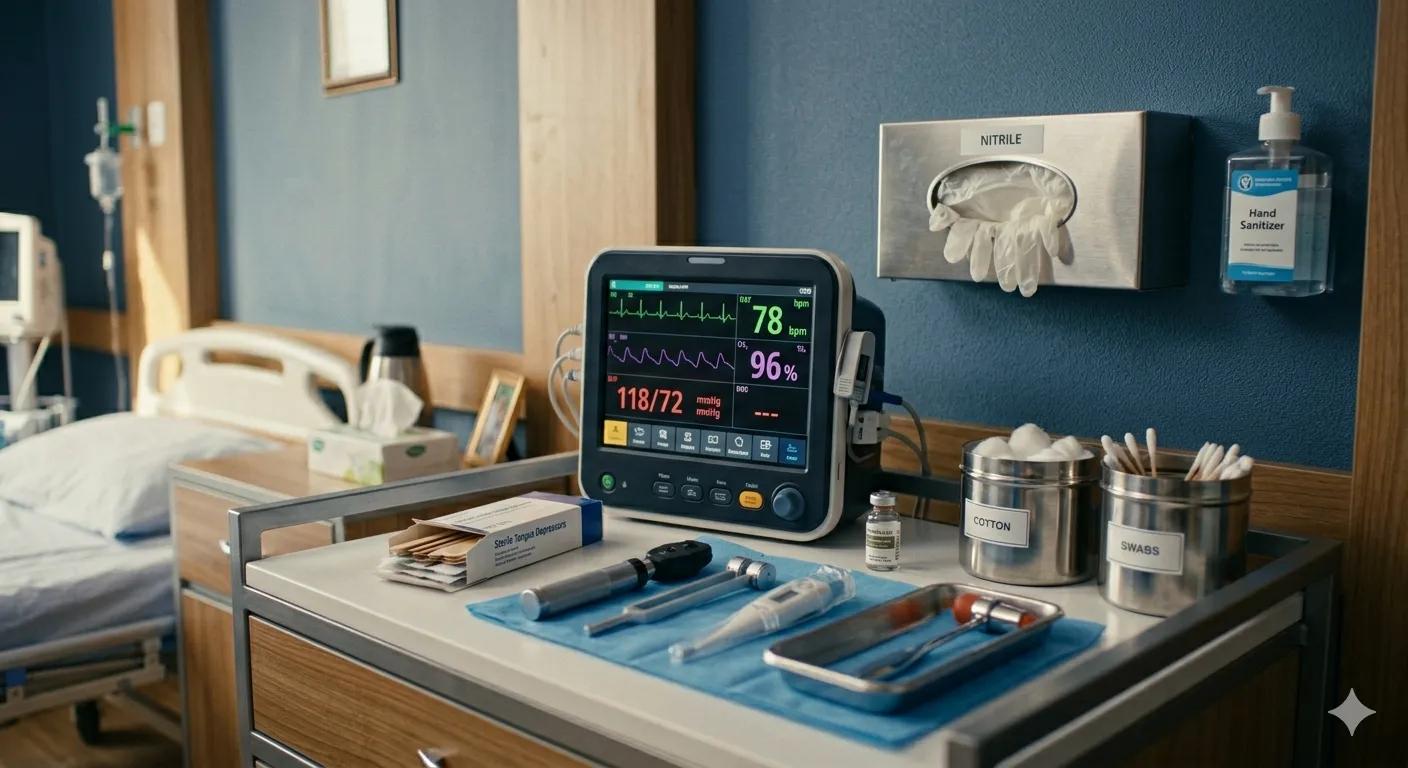
A hospital or clinic does not fail dramatically. It fails slowly. The pharmacy runs out of insulin first. Then antibiotics. Then paracetamol. The doctor, who has not been paid in two months, stops showing up reliably. The patient who arrives on a Tuesday hoping to be seen is told to come back on Friday, then the following Tuesday. At some point, people stop coming at all, because they have learned that the clinic no longer functions.
By the time this failure is visible from the outside, it has been months in the making.
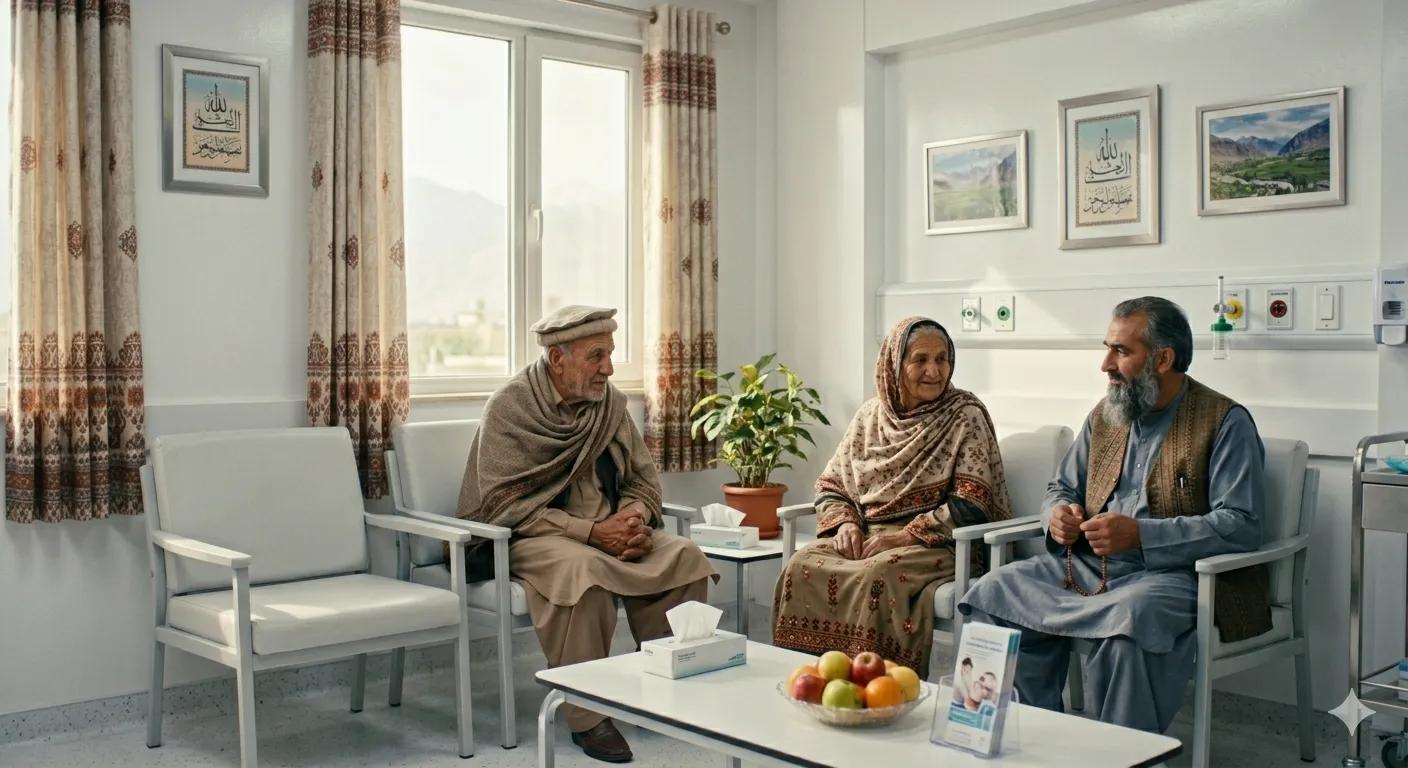
Our Healthcare Access in Pakistan project is not about treating a specific illness or funding a specific patient. It is about keeping a hospital's door open for the people who need it. The funding covers essential operational costs - staffing, medicines, basic supplies, utilities - in a facility that serves 500 or more patients a month in a district where private healthcare is out of reach.
I want to explain why this kind of project is harder to fundraise for than the photogenic alternatives.
When you fund a child's surgery, you get a clean narrative. There is a beginning (the child is ill), a middle (the surgery is performed), and an end (the child recovers). The donor's £500 did a specific thing that can be pointed to.
When you fund operational costs, the narrative is more diffuse. Your £40 contributed to the continued functioning of a facility that treated 500 patients last month. Your share did not "go to" any one of them specifically. It kept the door open. The patient who walked through on Wednesday afternoon benefited from your share, but so did the patient on Monday morning, and so did the patient who did not realise they were ill until the Friday.
This is a less emotionally satisfying story than the surgery. It is, I would argue, a more important one.
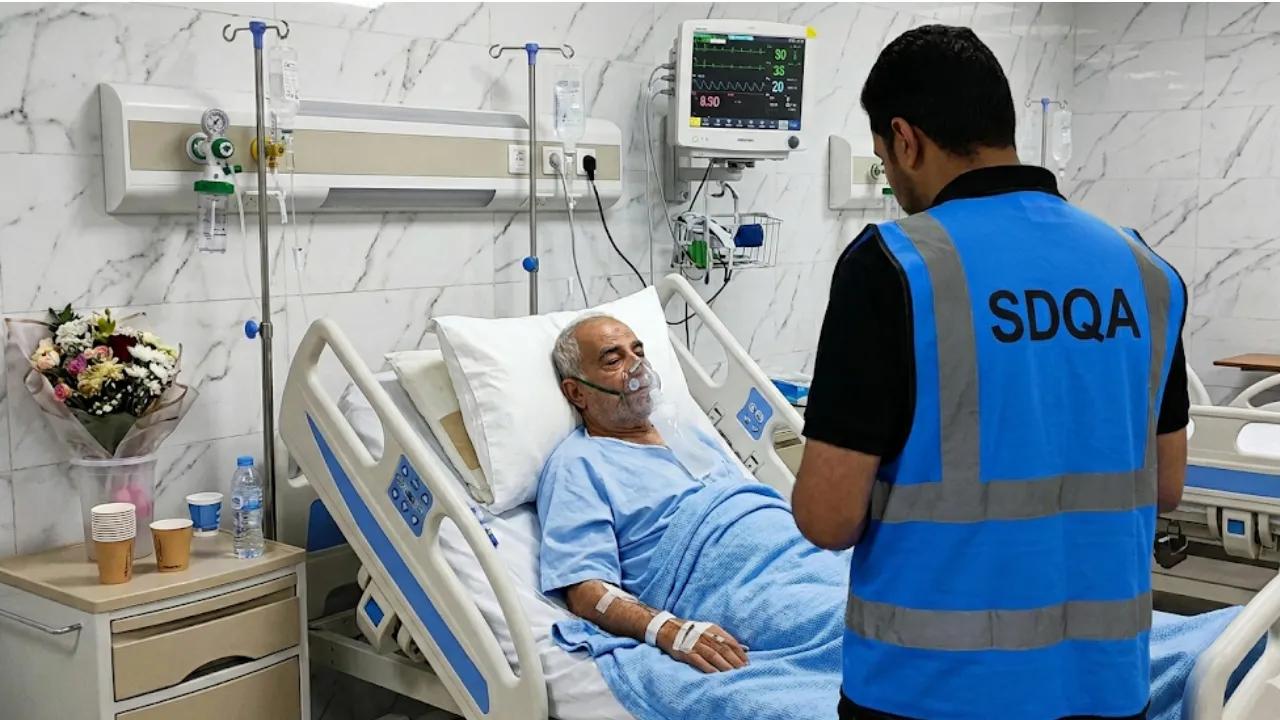
A surgery saves one life. A functioning hospital saves hundreds of lives a month, year after year, most of them never documented because the illnesses treated were not dramatic enough to photograph. The statistics that would capture this are not the statistics that make charity appeals go viral.
The Prophet, peace be upon him, said:
Whoever relieves a believer of a hardship in this world, Allah will relieve him of a hardship on the Day of Resurrection.
The hadith is in Sahih Muslim. It does not differentiate between hardships that are photographed and hardships that are not. The reward flows from the relief of hardship, regardless of whether the donor ever knew the specific face of the person whose hardship was relieved.
For £40, your share keeps the door open for a month's worth of patients. Over time, as the project continues, your share's impact compounds. The mother who was treated for pneumonia last January would, without the clinic, have paid for private care that she could not afford, or gone without and potentially worsened. The child whose immunisation schedule was completed this March is protected against diseases that used to kill routinely in this area. The elderly man whose diabetes is being managed would not be managing it at all without the supply of insulin that your share helps fund.
None of these people will ever know your name. You will not see their photographs on your portfolio - partly because of medical confidentiality, partly because hospitals are not set up to document outpatient care in the way a one-off surgery can be documented.

What you will see is the operational report. The number of patients served in the period. The conditions most commonly treated. The percentage of the facility's running costs that came from SDQA donors. The honest account of how the clinic performed, including the hard months when things did not go well.
This is what we can show you. It is not a surgery with a clean before-and-after. It is a hospital that continued to function, across a period, because a hundred people at a time funded its operation rather than its moments.
In a sector where charities compete for the most dramatic photograph, this kind of project does not compete well. That is precisely why it needs donors who understand what they are funding. Not the rescue, but the existence of the place where rescue is possible.
Fund a share in Healthcare Access in Pakistan - £40 per share, 100 shares to complete.