Most of us use three words as if they mean the same thing. Zakat, sadaqah, and sadaqah jariyah. They do not mean the same thing, and the difference changes how you should think about your giving, and where it goes.
I hear the words used interchangeably all the time. Someone will say they gave their zakat to a water project, or that a masjid is their sadaqah, or that they want their giving to be sadaqah jariyah, without being sure what separates one from the other. There is nothing wrong with the instinct behind any of it. The instinct is generous. But the three carry different weights in the deen, and it helps to know which one you are actually giving.
So here is the plain version.
Zakat is an obligation. It is one of the five pillars, not an optional act of kindness, and for a Muslim who meets the conditions it is due whether they feel moved to give or not.
The standard rate is 2.5% on qualifying wealth that has been held for a full lunar year and sits above the nisab, the minimum threshold below which no zakat is owed. What counts as qualifying wealth, how the year is calculated, how the nisab is set against gold or silver, these are questions with established answers in fiqh, and if your situation is complex it is worth checking with someone qualified rather than guessing.
The point to hold onto is that zakat is not open-ended. It has a rate, it has conditions, and it has specified recipients. The Qur'an names the categories of people to whom zakat may be given in Surah At-Tawbah (9:60), and there are eight of them, including the poor, the needy, and those in debt. Zakat is not simply "any good cause". It is a defined obligation with defined recipients.
That last part matters for what follows.
Sadaqah is voluntary. It is charity given freely, any amount, any time, for any good cause. There is no threshold, no fixed rate, no annual calculation. A pound left in a collection box is sadaqah. So is a smile, in the words of the Prophet, peace be upon him. So is removing something harmful from a path.
Because it is voluntary, sadaqah is not bound by zakat's conditions. It does not have to go to one of the eight zakat categories. It does not wait for wealth to reach nisab or sit for a lunar year. You give it when you want to, to what you want to, and the reward is with Allah.
This is the widest of the three words, and it is why "sadaqah" ends up covering so much ground in ordinary speech. Nearly every good thing a person gives can be called sadaqah. But that width is exactly why it should not be confused with zakat, which is narrow and specified by design.
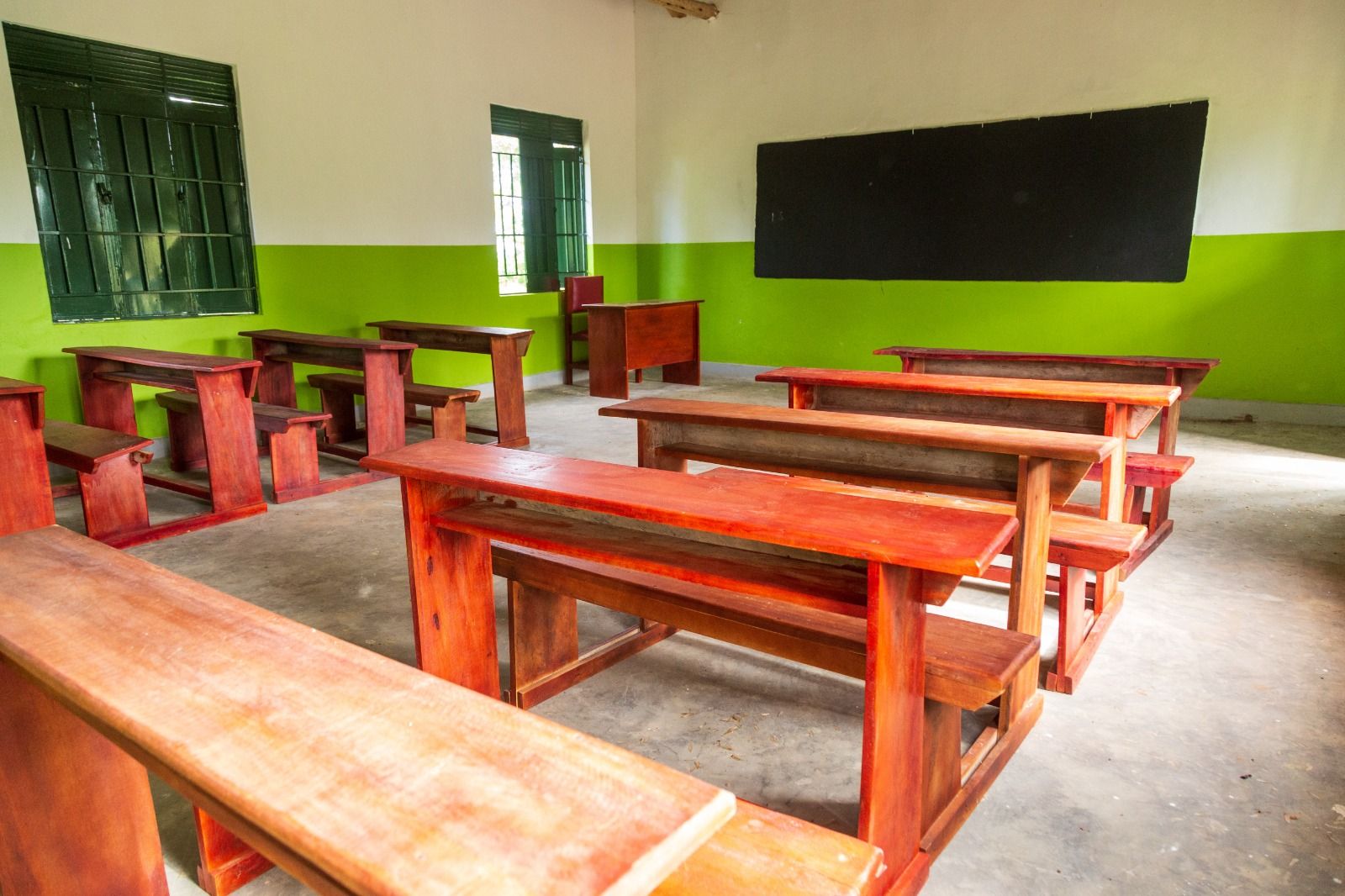
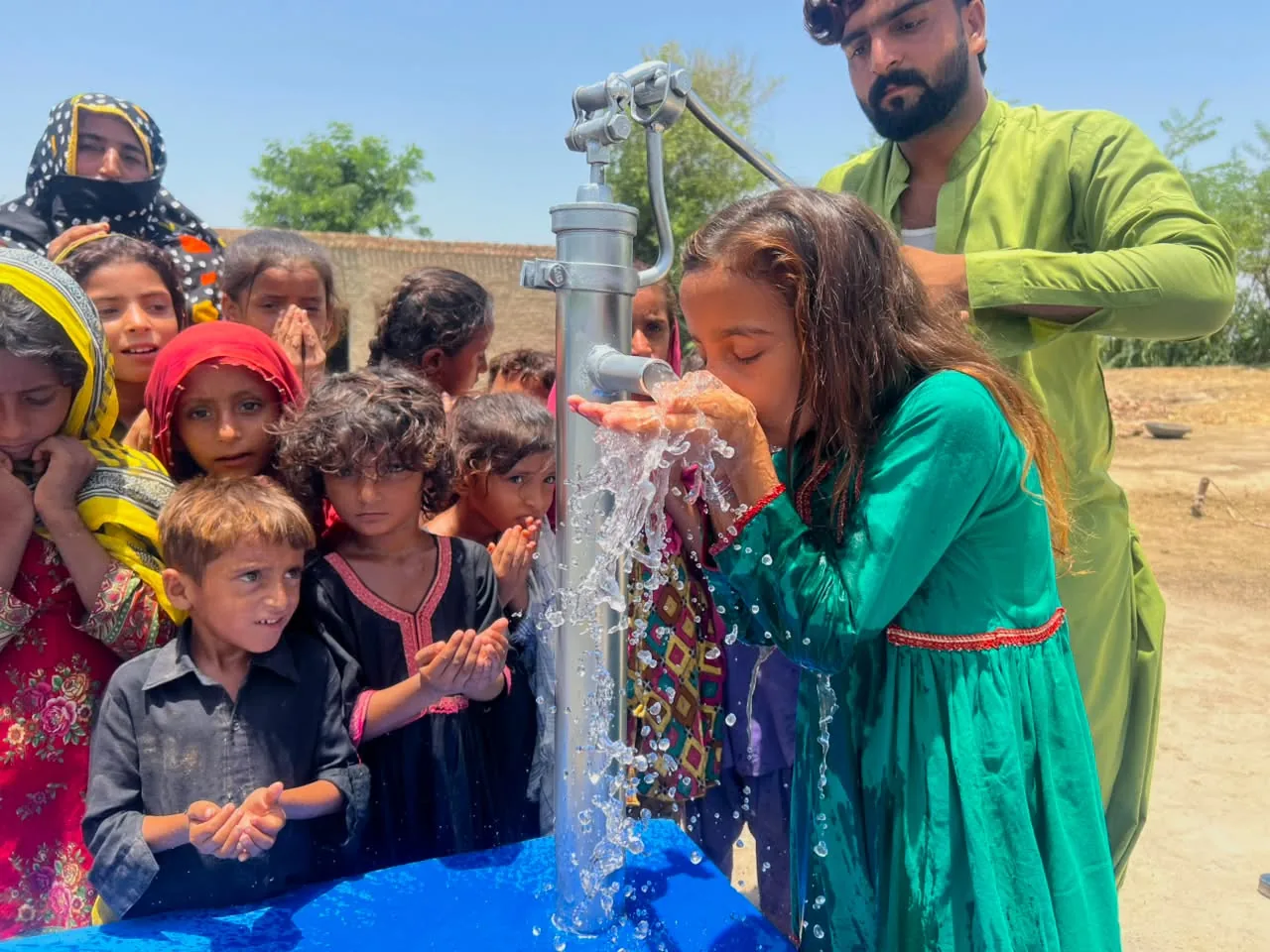
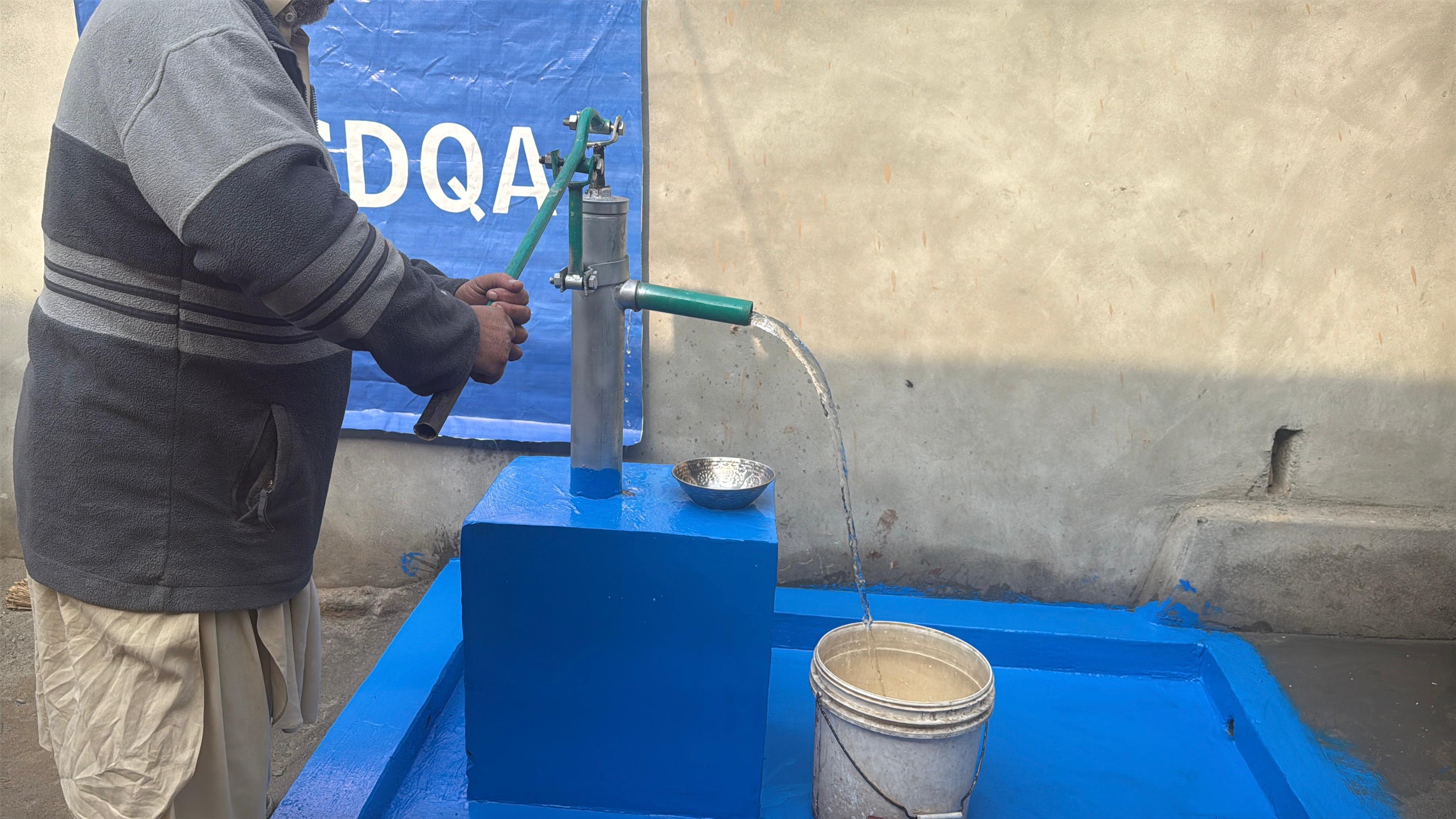
Sadaqah jariyah is a kind of sadaqah, but a particular kind. It is ongoing charity, the sort whose benefit keeps flowing after the initial gift is made. A well that keeps giving water. A masjid that keeps holding prayer. A school that keeps teaching. Knowledge that keeps being passed on.
The reason it holds such a place in Muslim giving is a well-known hadith. The Messenger of Allah, peace be upon him, said: "When a person dies, their deeds come to an end except for three: a continuing charity (sadaqah jariyah), knowledge that is benefited from, and a righteous child who prays for them." (Sahih Muslim)
It is worth sitting with that. The reward does not stop at the moment of giving, and it does not stop at death. It continues for as long as the thing you helped build continues to benefit someone. That is the whole idea contained in the word jariyah, which carries the sense of something flowing, continuing, ongoing.
Which is also why sadaqah jariyah asks something of the giving that ordinary sadaqah does not. A one-off gift is complete the moment it is given. Sadaqah jariyah is only really sadaqah jariyah once the thing is built and working. A well that was funded but never dug does not flow. The reward that continues after death depends on a benefit that actually continues.
Let me be clear about how we frame SDQA, because the whole point of drawing these distinctions is to be straight about what we are and are not claiming.
SDQA projects are built as sadaqah jariyah. That is the design. Water infrastructure, a masjid, a home, the sort of thing that keeps serving a community for years after the last share is funded. When you give to a project on SDQA, you are giving voluntary sadaqah, and the intention behind the project is that its benefit keeps flowing long after the build is done, insha'Allah.
What we do not say is that SDQA projects are zakat-eligible. Zakat eligibility is a separate matter with its own conditions, tied to those eight categories and to how the funds are received and used, and it is not something we rule on here. If you intend to give zakat specifically, the safe approach is to speak to a qualified scholar and confirm the position directly with the receiving body before you give, rather than fold it in with general giving. Our framing is sadaqah jariyah, and general sadaqah applies. We would rather be precise about that than let a helpful-sounding blur do the work.
None of this is about making giving harder. It is about giving with your eyes open.
If you are discharging an obligation, zakat, then the conditions and the recipients matter, and vagueness is not your friend. If you are giving voluntary sadaqah, you have freedom, and you can give it to whatever moves you. And if what you want is reward that keeps arriving after you are gone, then you are reaching for sadaqah jariyah, and the question worth asking is whether the thing you funded was actually built and is actually working.
That is the thread running through all three. The intention is usually sincere. The gap tends to open between the giving and the thing itself, between the pound that left your account and the well that either flows or does not. Naming which kind of giving you are doing is the first step to closing that gap.
So before your next gift, it is worth asking yourself one simple question: which of the three am I actually giving? The answer changes what you should expect to see afterwards, and what you have a right to ask for.
If you want to give in a way you can follow through to completion, our projects are built to be watched. You can see the current projects, the share price, and how far each one has been funded at sdqa.org.uk.