A water well is the simplest project SDQA runs. It is also the one I find hardest to describe properly.
The simplicity is obvious. You drill down, you find an aquifer, you install a hand pump, you walk away. There is no electricity to worry about, no fuel cost, no fragile infrastructure that needs a supply chain to keep going. A well is a project that, once finished, largely runs itself for ten to fifteen years.
What is harder to describe is what happens after.
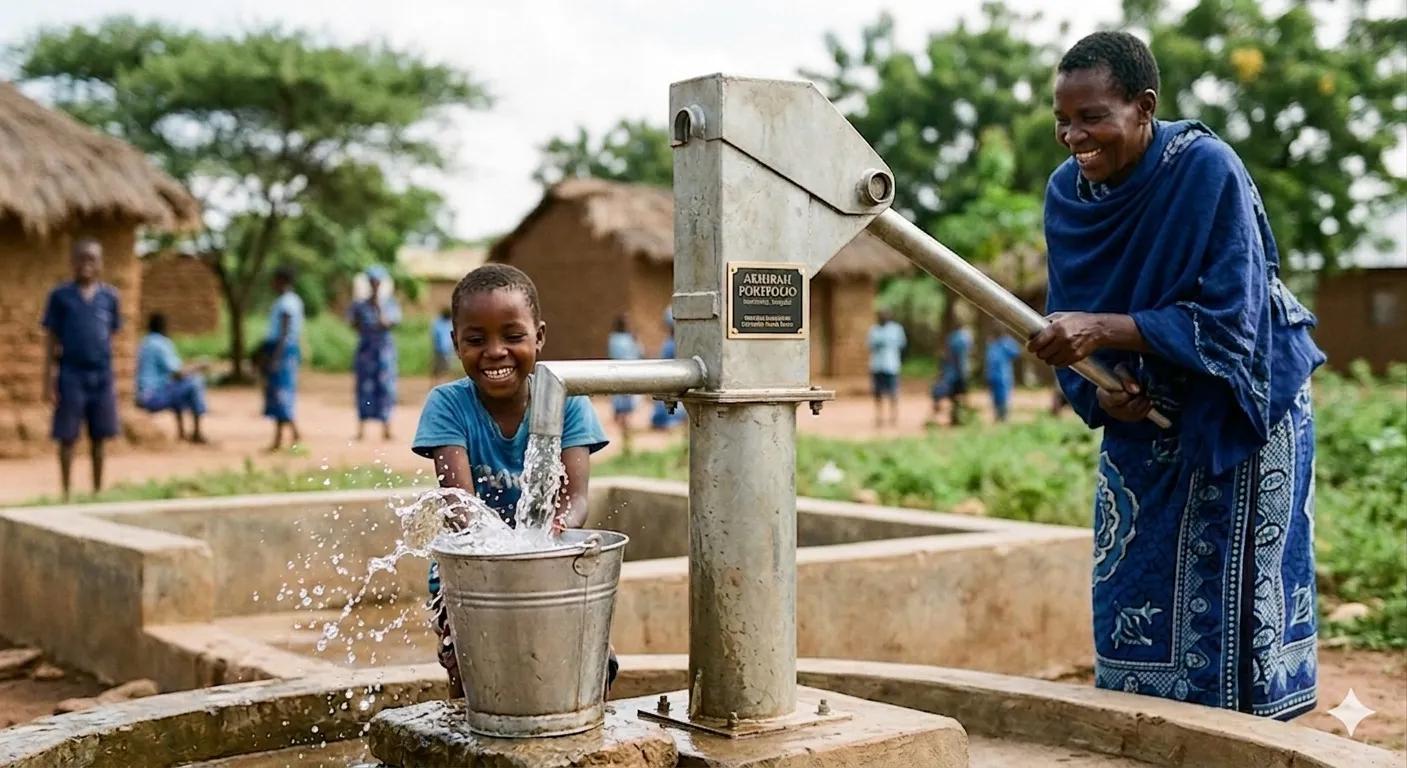
The day a well goes in, the most visible change is that clean water starts coming out. Everyone photographs that. It is the shareable moment. But the well's real work starts quietly in the weeks that follow, in ways nobody documents because they are not dramatic enough to post.
The children who had been walking three hours a day to fetch water suddenly have three hours back. Some of those children are girls who had been pulled out of school because the water collection was their responsibility. The well does not send them back to school by itself. But it removes the reason they had to leave.
The women who had been making the same walk, often at risk, now do not have to. In rural Sindh, in Balochistan, in parts of rural Uganda where the nearest water source is a two-hour round trip, that is not a small thing. That is the removal of a daily exposure to harm that their community had come to treat as normal.
The children who had been getting sick from waterborne illness stop getting sick at the same rate. In Pakistan, waterborne diseases kill more children under five than almost any other preventable cause. A clean water source does not end that problem. But for the 80 to 150 people who rely on that one well, it substantially changes the odds.
The household income of families in the area often increases. Not because the well generates money, but because when people are not sick, they work. When children are not sick, parents work. A mother no longer spending half her day on water collection can, if she chooses, spend that time on something that generates income for the family.
The community around the well often starts to change shape. The well becomes a gathering point. Women who were previously isolated from each other by the structure of their day start talking. Disputes that would have simmered in isolation find resolution. A well, in many villages, ends up being one of the few genuinely shared resources in a community where everything else is privately owned or held.
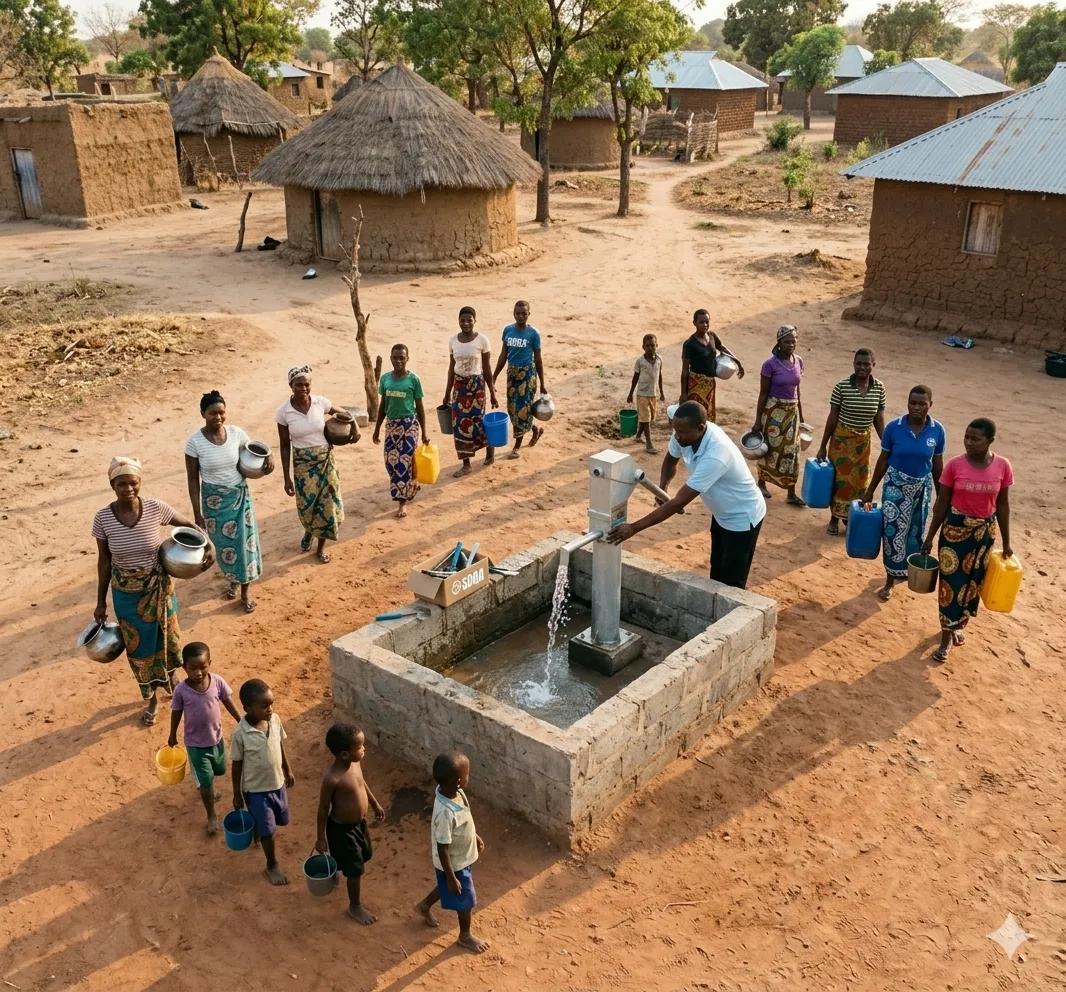
And after a decade of use, that well has passed through the hands of multiple generations. Children who were born the year the pump went in will have grown up never knowing what it was like to walk three hours for water. Their children will know it as simply part of the village - something that has always been there.
The Prophet, peace be upon him, said:
The best charity is giving water to drink.
The hadith is in Musnad Ahmad. It is short. It is not elaborated. It does not include a list of conditions. It just sits there, unambiguous, near the top of the hierarchy of recommended charitable acts.
When you read that hadith in the context of a village well, the reasoning becomes visible. A well is a charitable act that gives to many people, across a long time, without the giver ever having to be present. It is the textbook case of sadaqah jariyah - the giving that continues after the giver has moved on.
For a donor in the UK, funding a well is abstract at the moment of donation. You click a button, you receive a confirmation email, and the act feels as transactional as any other payment. The gap between the payment and the reality is wide.
SDQA's job is to close that gap. When the well is installed, you get photographs. The actual well, the actual location, the families using it on the day it opened. When the well has been running for twelve months, you get a follow-up - still functioning, still serving, still producing clean water. The evidence of what your share became is not something you have to trust us about. It is something we show you.
Our water bore pump in Pakistan costs £500 in total. We have split it into 100 shares at £5 each. It is the cheapest share on the platform - partly because the project itself is genuinely that affordable, and partly because we want the barrier to entry to be as low as possible for first-time givers. £5 is the price of a coffee. It is also your one-hundredth share of a well that will serve 80 to 150 people for the next decade.
Our water bore pump in Uganda is slightly larger, at £18 per share. Rural Uganda has a more difficult supply chain for construction materials, and that is reflected in the cost. The outcome is the same: clean water, one community, a decade or more.
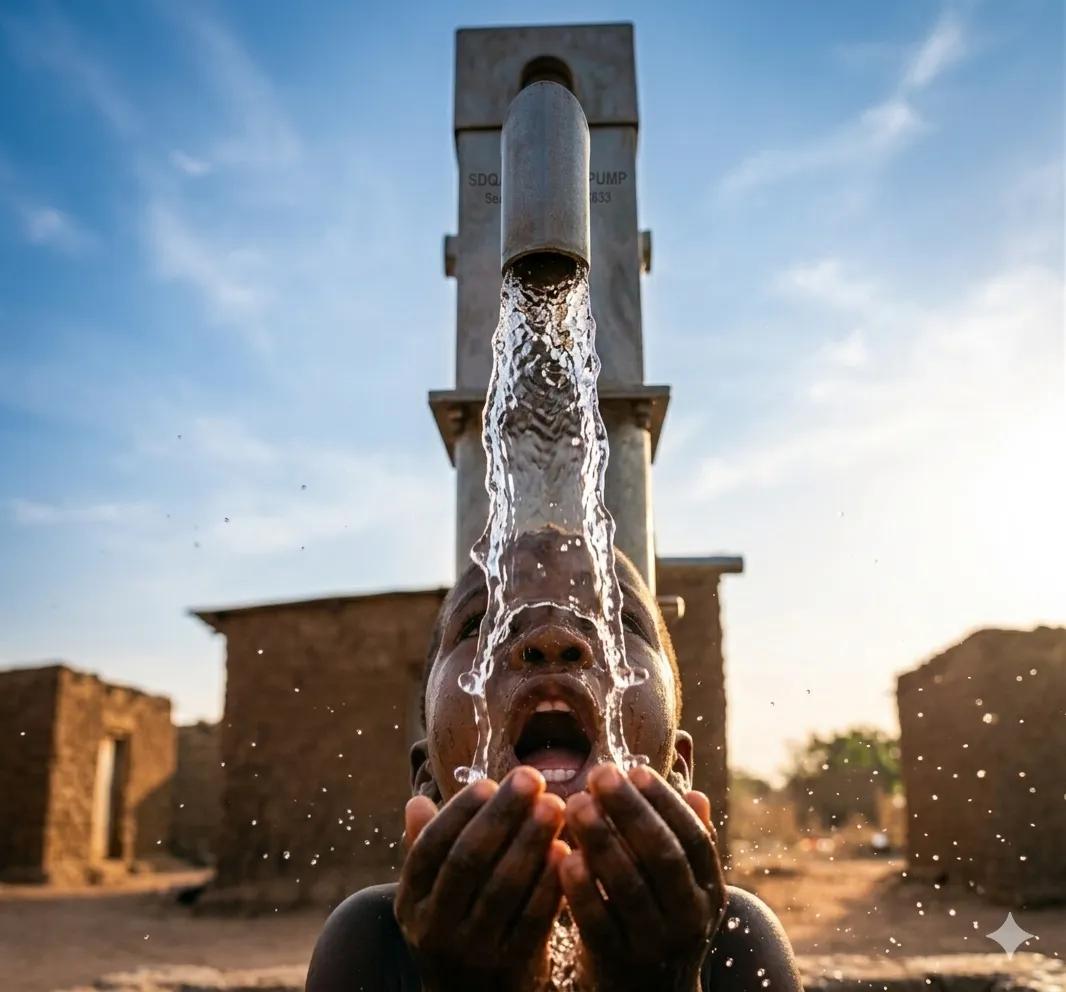
You do not need to fund a whole well to matter. One share is your share. The well will not be built until the last share is funded. Every share moves the project closer to completion. When it completes, you are one of one hundred names in the records that built it.
That is the ripple effect of a single water well. Not just the water, though the water is the central thing. The time returned to women and children. The illness that does not spread. The children who stay in school. The community that meets around a shared point of dignity. The sadaqah jariyah that keeps giving for a decade after the giver has moved on.
For £5, you can own your part of that.
Fund a share in the Water Bore Pump in Pakistan - £5 per share, 100 shares to complete.