In the UK, a masjid is a given. Every town has one. Every major city has several. We argue about which one to pray at, which imam to follow, which community the masjid "belongs" to. The argument is a symptom of abundance.
In rural Pakistan, in the villages where our masjid project is being built, there is no argument. There is no masjid.
Families pray in open fields, under trees, in shelters pieced together from corrugated metal. In summer, the ground is hot enough to blister. In monsoon, the shelter leaks or collapses entirely. In Ramadan, tarawih is offered wherever space can be found - sometimes in the courtyard of a sympathetic household, sometimes outside.
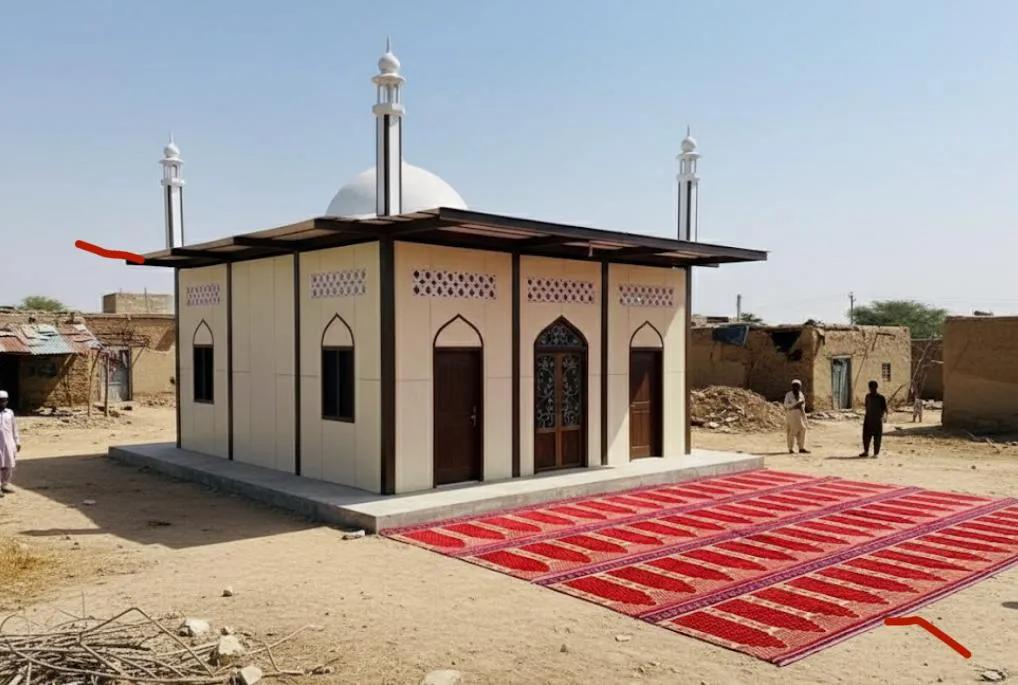
This is not a crisis. It is not the kind of thing that generates appeals. The village has been like this for generations. Everyone has adapted. Children have learned to pray in the heat, adults have learned to carry prayer mats with them, elders have learned to stay home when the weather is bad because the journey to wherever the community is gathering is beyond them.
But the absence of a masjid is not neutral. Things are lost that nobody counts.
There is no space for Qur'an classes. Children learn at home if their parents are literate, or not at all. There is no space for community gatherings when a marriage happens, a death occurs, or a decision needs to be made. There is no central reference point for the community's Islamic identity. The identity is still there, carried in the hearts of individuals, but the structure around it is missing.
When a masjid is built, the change is immediate and then it compounds.
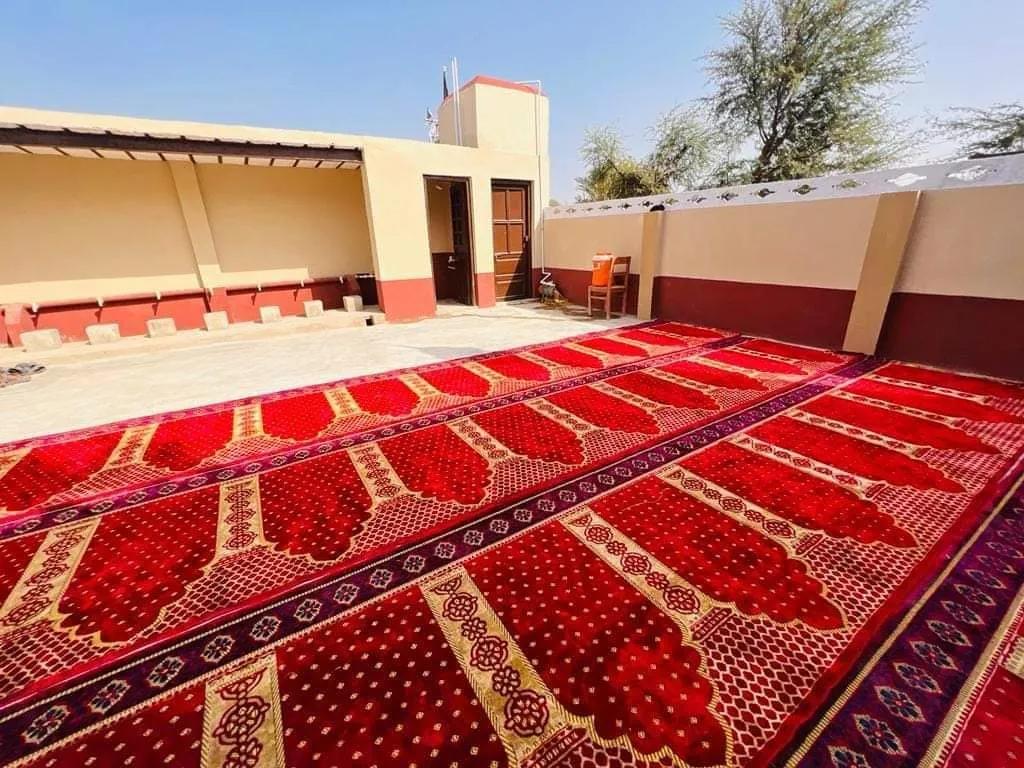
Immediate: the first day of salah in the new building. Every person in the village who is able to attend, attends. For many of the elders, it is the first time in their lives they have prayed in a proper masjid. Some cry during the adhan. Some just sit, taking it in.
Compounding: over the following weeks, the masjid becomes what a masjid is meant to be. Fajr gathers a small group of the most devoted. Dhuhr gathers the workers on their break. Maghrib gathers families. The imam, appointed by the community, starts teaching the children. A rhythm establishes itself.
Over months, Qur'an classes formalise. Girls who had no way to learn tajweed in the village now have a teacher. Boys who had been reciting from memory without correction now have the corrections delivered. Parents who could not teach their children what they themselves had never learned now have a place where the children go.
Over years, the masjid becomes the spiritual anchor of the village. Weddings are conducted there. Funerals take place from there. In Ramadan, tarawih fills the hall every night. Religious questions that had previously been answered by whoever seemed most knowledgeable are now answered by someone trained to answer them.
The Prophet, peace be upon him, said:
Whoever builds a masjid for the sake of Allah, Allah will build for him a house in Paradise.
The hadith is in Bukhari and Muslim - the highest tier of authenticity in Islam. It does not specify how large the masjid has to be, how expensive, or in what country. It just says: whoever builds it, for the sake of Allah, gets a house in Paradise.
I want to be careful about how I write the next part, because the spiritual economics of sadaqah jariyah can be cheapened if you describe them too crudely. So I will say it simply.
The masjid we are building will stand for at least thirty years. Every salah prayed in that masjid, by every person who prays there, for the duration of its existence, is in some measure a continuation of the reward earned by the people who built it. The hadith is clear. The mechanism is clear. You do not have to take my word for it.
For the donors who fund this masjid, that means something that no spreadsheet can quantify. A share in this project - £65 - is your contribution to a space where five daily prayers will be offered for three decades. If the village population is 200, and half of them pray in the masjid on an average day, that is 100 daily prayers, five times a day, for 30 years. Do the arithmetic if you want. I find the arithmetic slightly vulgar when applied to worship, but it is what it is.
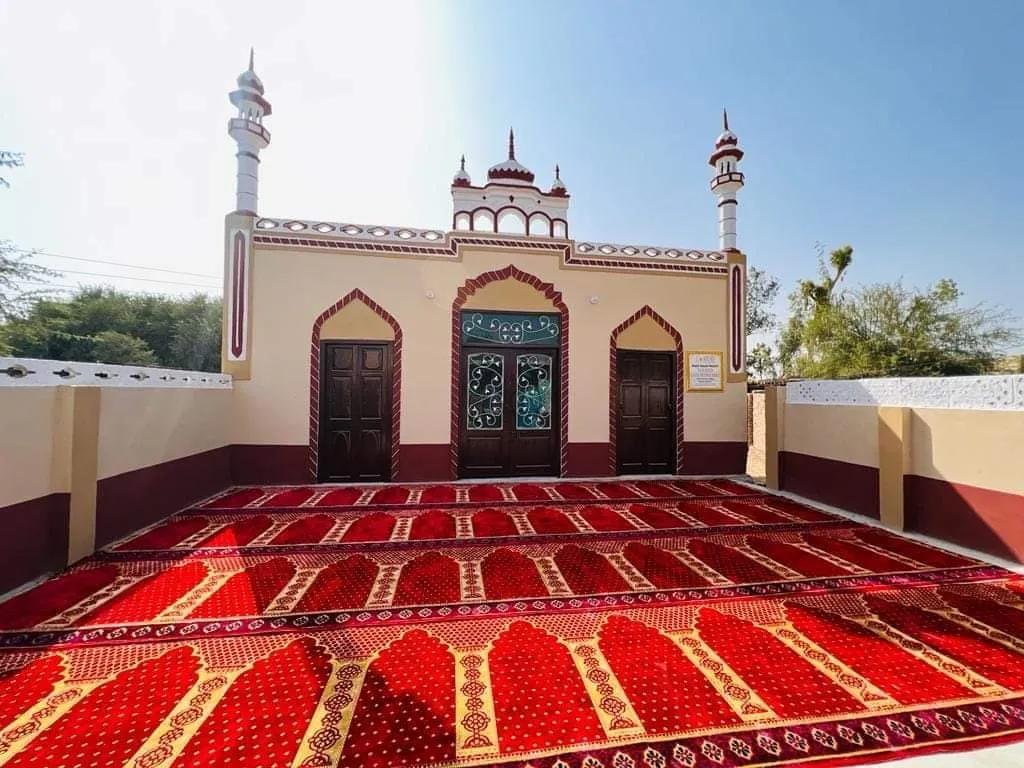
More important than the arithmetic: there will be children whose first experience of salah, whose first recitation of Surah Al-Fatihah, whose first understanding of what it means to be a Muslim, will happen inside a building that you helped build. The continuation of the deen in that village runs through that masjid.
A share in the masjid costs £65. There are 100 shares in total - the whole build is £6,500. The project does not begin until every share is funded, so every share you fund moves the project towards the day it begins.
You will not see the building going up. You will not attend the opening. But when it is complete, we will send you the photographs, the location, and a report on the community that gathers there. A year later, we will send you an update. Your portfolio entry will not evaporate.
The Prophet, peace be upon him, said that whoever builds a masjid for the sake of Allah, Allah will build for him a house in Paradise. It is one of the clearest equations in the Sunnah. We are building the masjid. The equation is available to anyone who wants to take part.
Fund a share in the Masjid in Rural Pakistan - £65 per share, 100 shares to complete.