Clean water is the oldest humanitarian cause. It is also one of the few where the gap between the problem and the solution is small enough to be described in plain terms.
2 billion people - roughly a quarter of the world's population - do not have reliable access to safely managed drinking water. The number has been broadly consistent for decades, despite significant sector investment. In certain regions - rural South Asia, rural Sub-Saharan Africa, parts of the Middle East under conflict - the proportion climbs sharply.
Waterborne disease kills more children under five than malaria, tuberculosis, and measles combined. It is not a rare cause of death. It is a routine one. In parts of Pakistan where our projects run, diarrhoeal disease is among the top three killers of children under five, and the primary cause is contaminated drinking water.
The reason clean water remains the most answerable need is that the engineering is, by charity standards, unambiguous. You do not need a political breakthrough. You do not need a cultural shift. You do not need a multi-year programme of community education. You drill down until you find clean groundwater, you install a pump, and you walk away with a source that serves the community for a decade or more.
SDQA currently runs four water projects. This article explains what each one does, and why we have priced them the way we have.
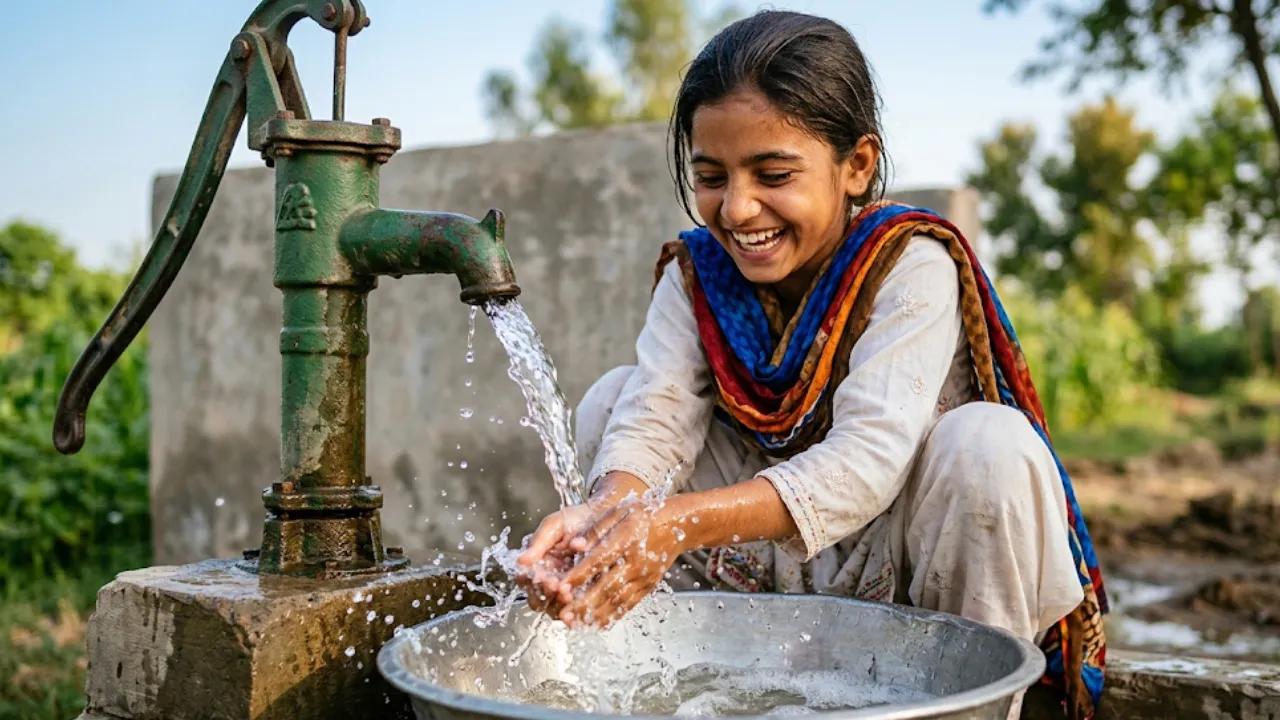
The Water Bore Pump in Pakistan is the cheapest share on the platform, at £5. It is a hand-operated bore pump, drilled into an aquifer, serving 80 to 150 people. No electricity, no fuel. The simplicity is the point. In a village where basic infrastructure fails regularly, a project that does not depend on infrastructure is a project that keeps working. One share is £5; the whole well is £500.
The Water Bore Pump in Uganda, at £18 per share, is structurally the same kind of project. Rural Uganda is more expensive to work in than rural Pakistan, primarily because of the supply chain. Materials have to travel further. Local labour is differently priced. The outcome is the same: a hand pump, a community, clean water for a decade. One share is £18; the whole well is £1,800.
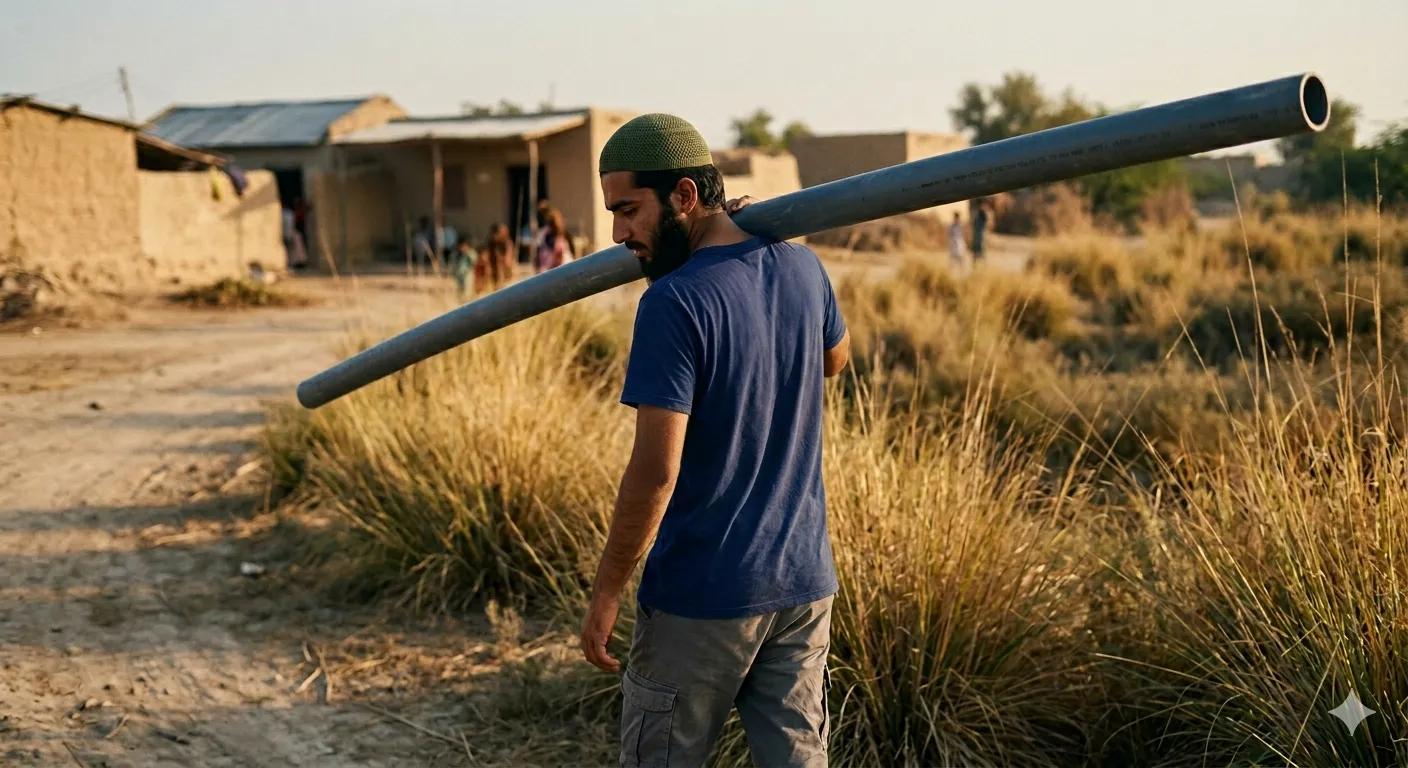
The Community Water Pipeline in Pakistan, at £16 per share, is a different kind of project. It is for mountain communities in the north of the country where the issue is not that there is no water - there is - but that the water available is contaminated, seasonal, or both. Glacier melt in summer is unreliable. Streams are polluted. Rainfall is irregular. A pipeline channels water from a protected highland source, using gravity alone, to a point close to the village. No pumps, no electricity, nothing that can fail catastrophically. One share is £16; the whole pipeline is £1,600, serving 200 to 500 people for 15 years or more.
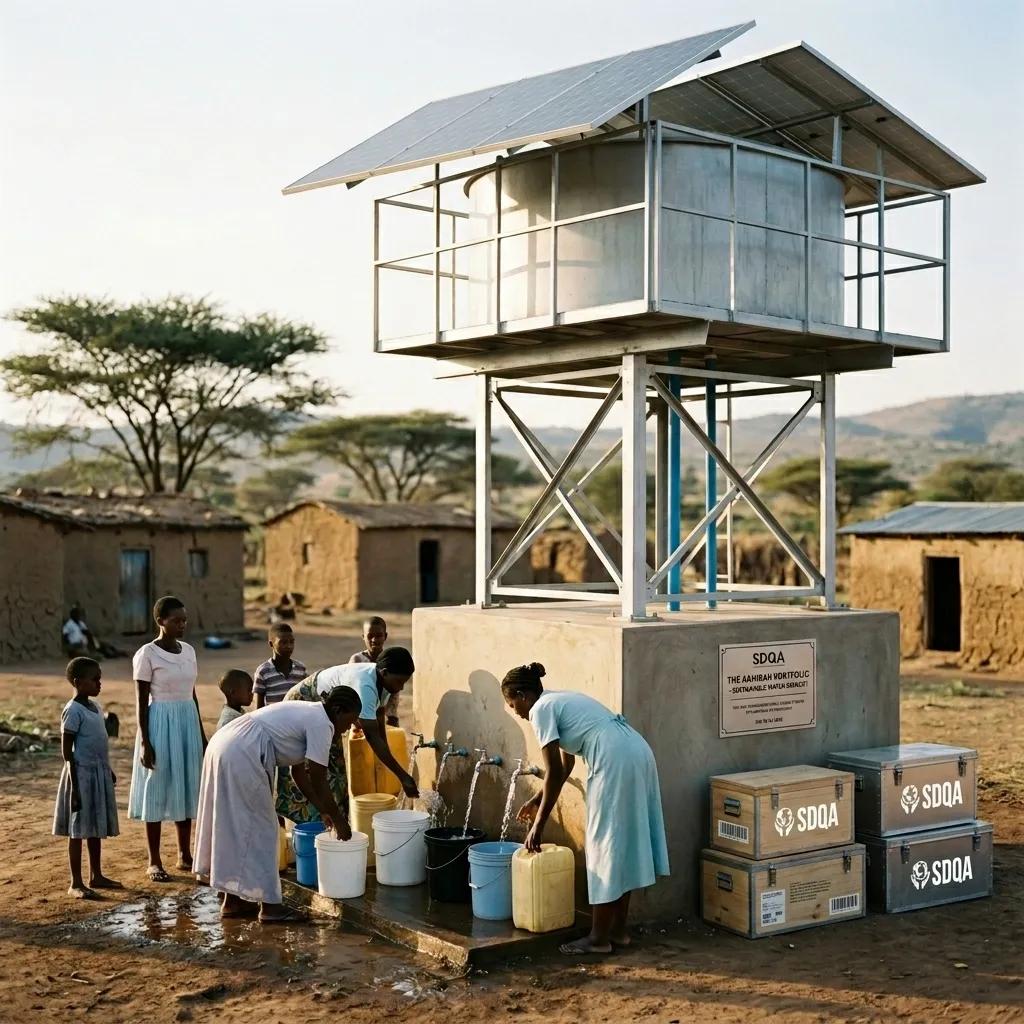
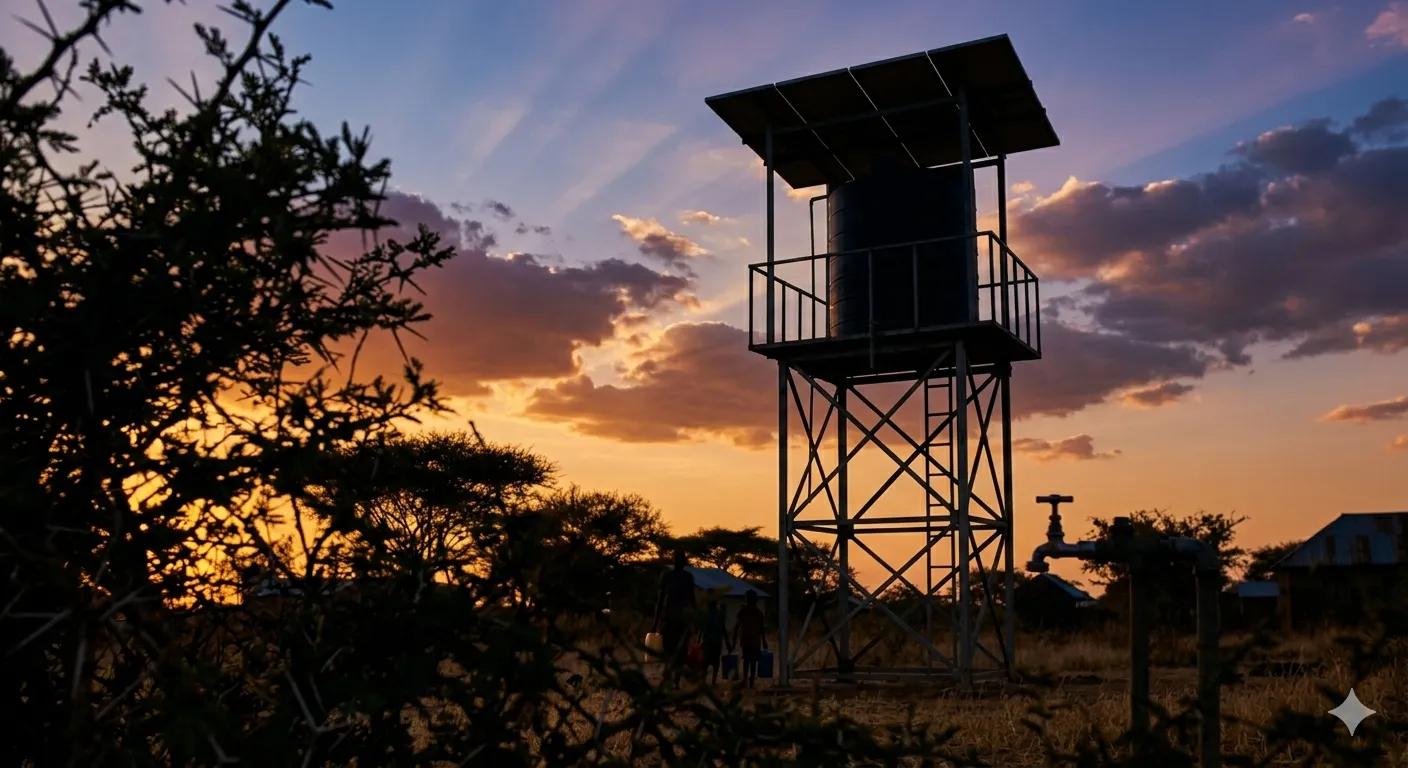
The Solar Water Tower in Sub-Saharan Africa is the largest project on the platform and the most technically sophisticated. At £340 per share, with 100 shares, the total project cost is £34,000. It consists of a solar-powered pump, an elevated 40,000-litre storage tank, and a distribution network piping water directly to households and communal access points. 5,000 people served, every day, for 25 years or more, with zero fuel cost and minimal maintenance. This is what water infrastructure looks like when it is designed to serve a community at scale.
These four projects cover the full range of what clean water provision currently requires.
For a first-time giver on SDQA, the £5 bore pump is designed to be the entry point. Fund a share, receive your portfolio entry, see the completion report when the well is built. You learn how the platform works on a project that is small, affordable, and has a short timeline.
For a donor who wants to give more substantially, the Solar Water Tower at £340 per share commits you to a larger, longer-duration piece of infrastructure. You are not just funding a well; you are funding the kind of system that can transform a community's relationship to water for a generation.
For a donor who wants to give across multiple projects and build an Akhirah Portfolio with a water theme, all four projects are available simultaneously. Shares in each accumulate in your portfolio over time. The total picture, once several are complete, is a record of water infrastructure you helped fund across Pakistan, Uganda, and Sub-Saharan Africa.
The Prophet, peace be upon him, said:
The best charity is giving water to drink.
The hadith is in Musnad Ahmad. It is one of the clearest statements in the Sunnah about what kind of giving carries weight.
For SDQA, it is also the easiest category to explain, verify, and deliver. The engineering is known. The delivery partners are experienced. The cost per share is low enough to be accessible to almost any donor, and high enough - at the Solar Water Tower end - to serve donors who want to fund infrastructure at scale.
Clean water is answerable because the question is simple and the answer is, for once, straightforward: drill, pump, store, distribute, document. For £5, you can start answering it. For £340, you can answer it at scale.
See all live water projects, or pick one to start: Water Bore Pakistan (£5), Water Pipeline Pakistan (£16), Water Bore Uganda (£18), or Solar Water Tower (£340).