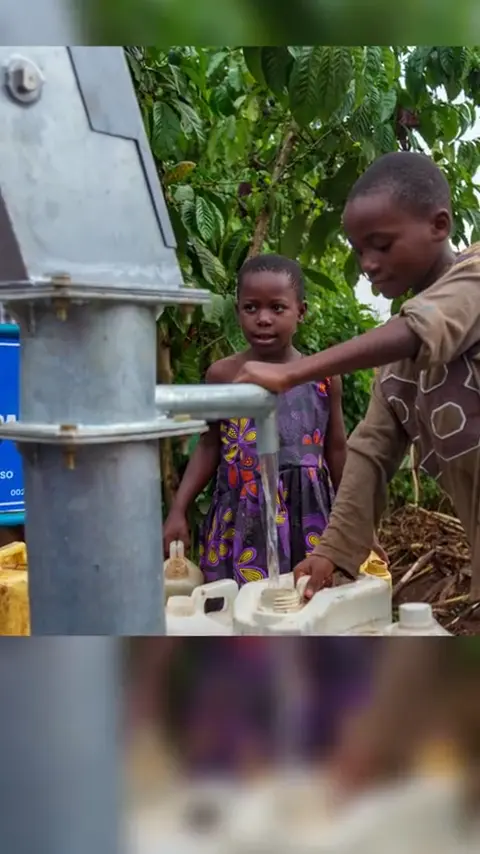
A well SDQA has completed in Uganda
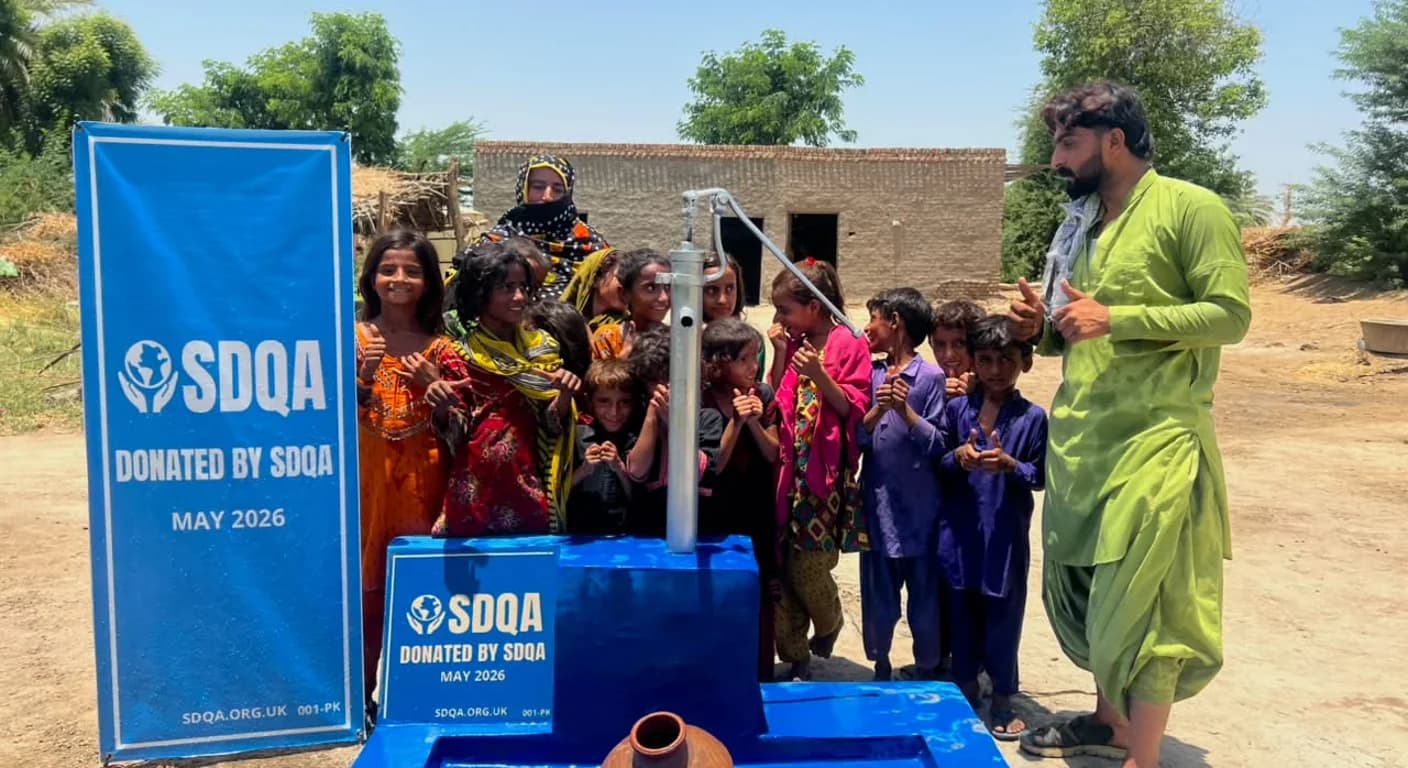
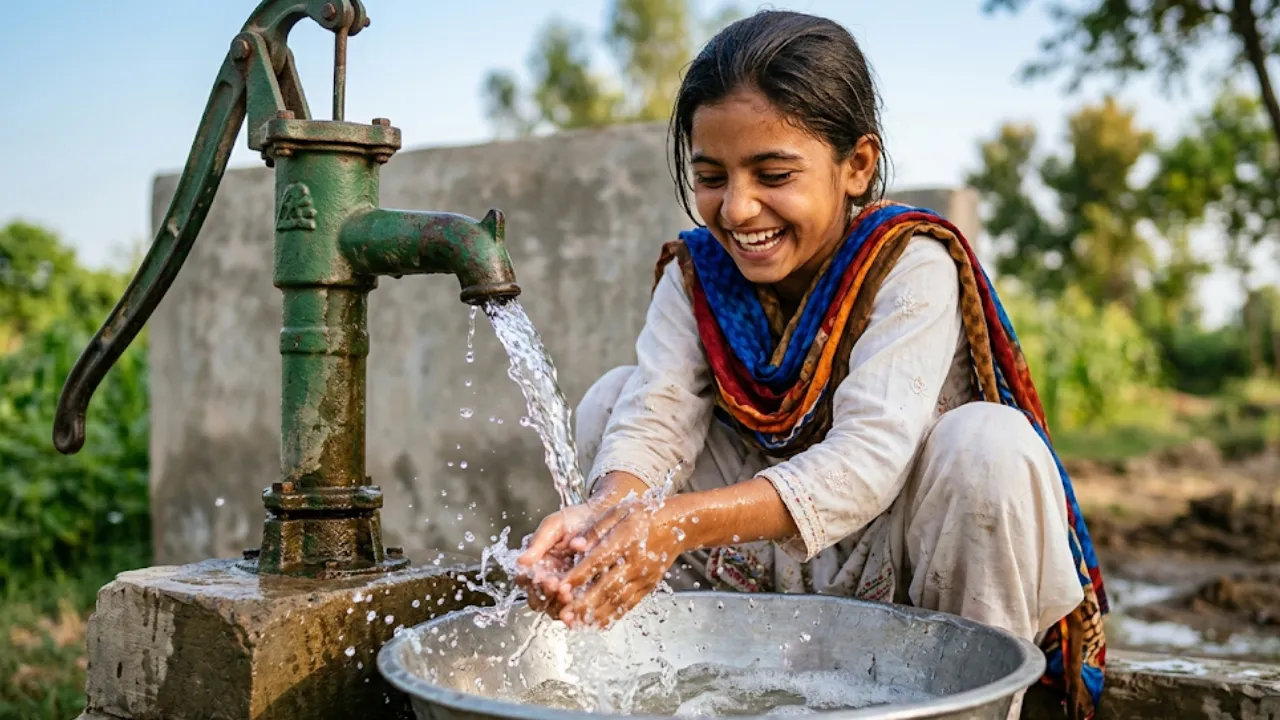
SDQAvestment · Spring water pipeline
Spring Water Pipeline in Kohistan
A charitable investment for your Akhirah.
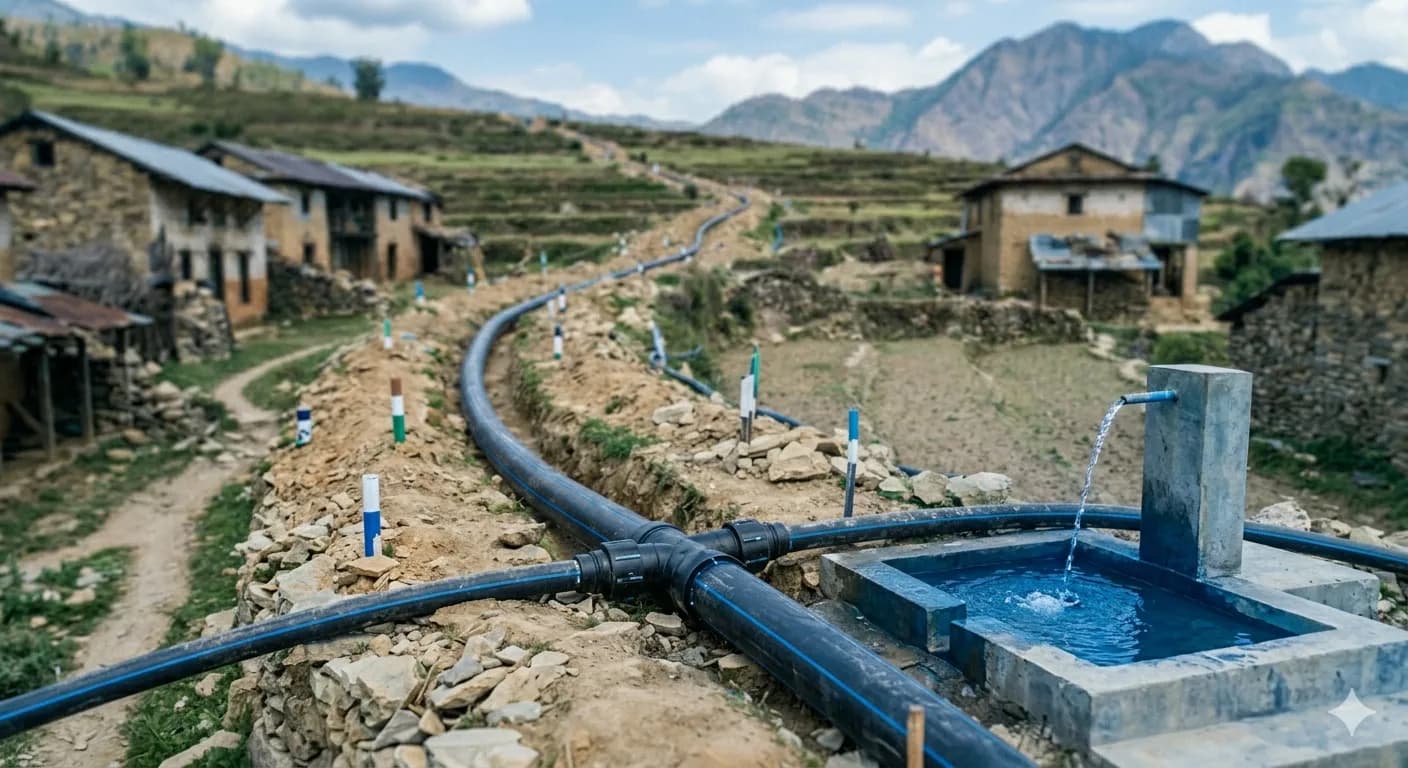
A spring above a village offers a simple possibility: protect the source and let the slope bring water to taps below. That's the idea behind our pipeline in Kohistan, in northern Pakistan.
Why Kohistan
The district already has a reported record of 38 completed drinking water schemes, a practical starting point. You can help bring this supply to a village, in the hope of Sadaqah Jariyah.
Our research sets out who the spring water pipeline will serve, why it's needed in Kohistan, and how the gravity-fed pipeline fits into village life. Read the research
Where it's up to
- DoneIdentified
Need researched
- NowFunding
86 of 100 shares funded
- NextBuilding
Photos at each stage
- ThenOpen and reported
A full report when it opens
What your share builds
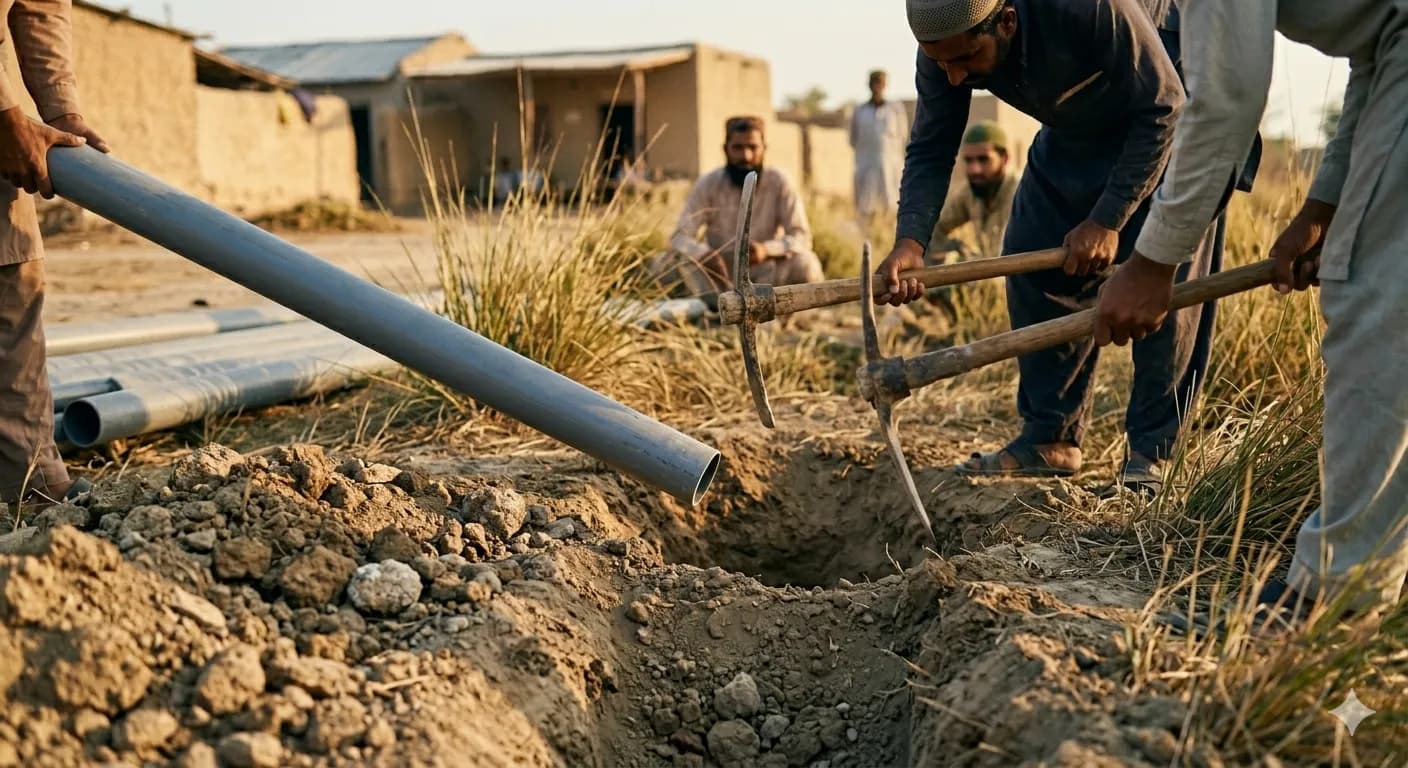
A protected spring
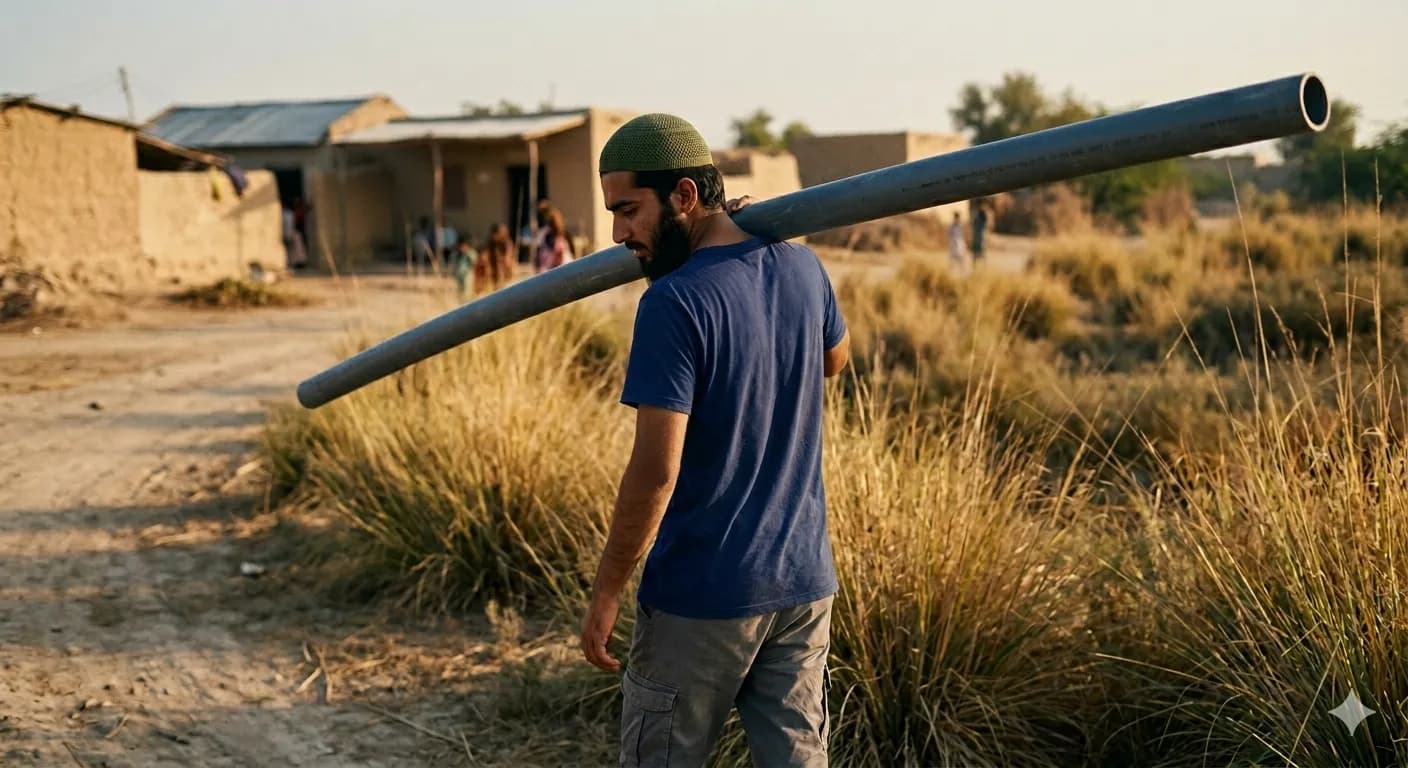
The pipeline
Where it is
The research behind this project
Upper Kohistan is steep, and that helps: a spring high on the hillside can feed taps in the village below with no pump at all. This research sets out how that works and how it's kept running.
Where it is
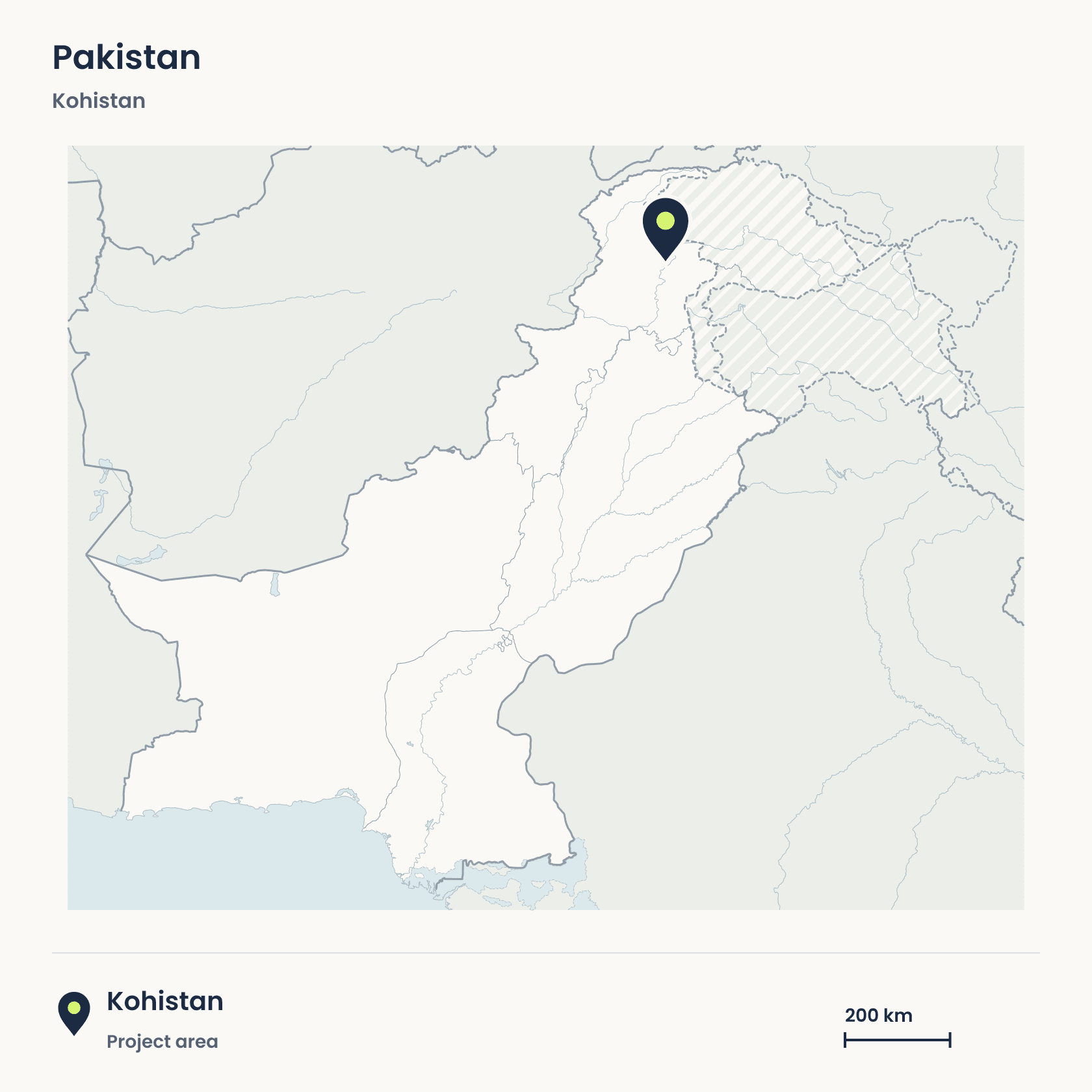
The project is in Upper Kohistan, Khyber Pakhtunkhwa. Mate sits on the east bank of the Indus, about 17 km north-east of Pattan, on the Jalkot side in Dasu division. Pattan, in Lower Kohistan, is where the road comes in, so that's where the map is anchored.
Others have built water schemes here before. The Sarhad Rural Support Programme (SRSP) reports 38 completed drinking water schemes among its 125 infrastructure projects in Upper Kohistan.
How the water reaches the village
A concrete chamber protects the spring. From there, one to two kilometres of buried plastic pipe carry the water down to a storage tank and standpipes. Gravity does the work; there's no powered pump.
Before building, the team tests the spring's flow and water quality, records the source rights and permissions, and measures the height and length of the route. The pipe stays within reach so it can be repaired after bad weather.
Villagers give their labour to the build. Afterwards a local committee and caretaker look after it, with a repair fund and technical help for bigger faults. That plan draws on SRSP's assessment of community water schemes.
Confirming the route
We're looking at Mate, Pashot, Lautil and Alwai. On the site visit, our partner confirms the spring, the pipe route and the households it will serve.
Sources
Questions
What is a share?
This project is split into 100 shares of £16. Each one pays for a hundredth of the build, alongside everyone else who joins. You can fund one share or as many as you like.
How will I hear about it?
We'll email you at each stage, from the first site visit to the day it opens, with photos along the way.
What if the cost changes?
We work hard to price every project accurately. The price of a share covers its part of the build, its delivery and reporting, and our own costs. If it's going to cost more, we'll tell you up front and talk it through with you. If something unplanned comes up during the build, we'll talk it through with you and agree how to handle it together.
